Someone Paid My Parking Tickets for Three Months—Then Left One Note
The first parking ticket was paid before I opened the website.
I assumed I had forgotten.
That was possible.
I was working two jobs, helping my father after knee surgery, and surviving mostly on coffee and calendar alerts.
The ticket was for forty-five dollars.
I entered the citation number.
The city website said: PAID.
I checked my bank account.
No charge.
I shrugged and moved on.
Three weeks later, it happened again.
This time I knew I had not paid.
I had found the bright orange envelope on my windshield at 7:10 that morning and checked the website at lunch.
Paid.
I called the city.
The clerk confirmed payment had been made online.
“By whom?” I asked.
“We don’t disclose cardholder information.”
“Someone is paying my tickets.”
“That is usually not the complaint we get.”
She sounded amused.
I was not.
The third ticket arrived in November.
Also paid.
Now it felt deliberate.
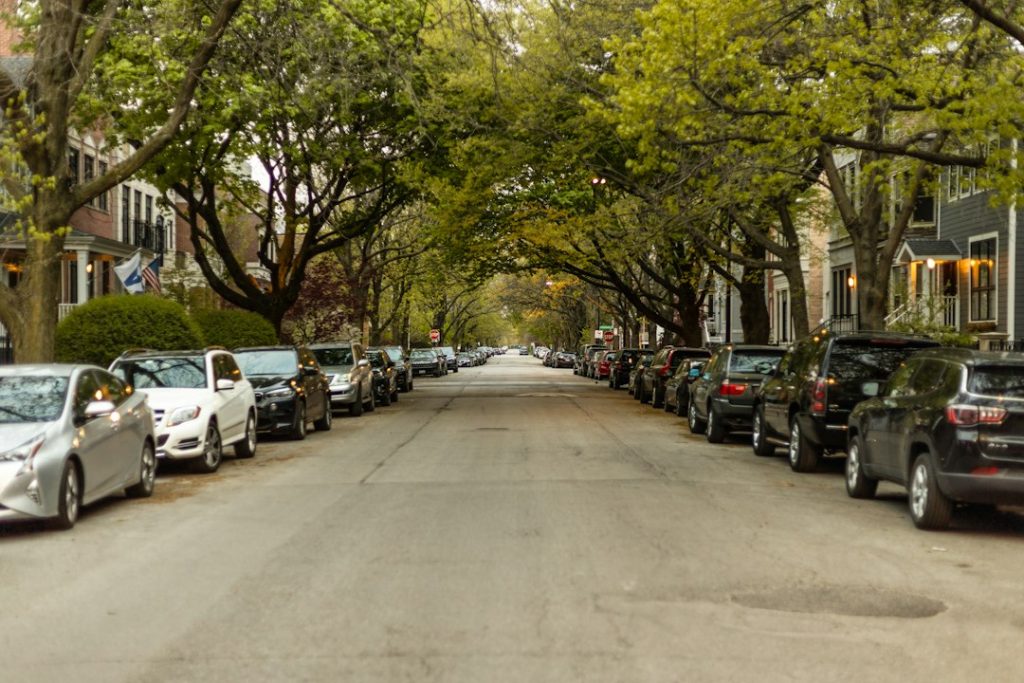
I lived on a block where street parking was a competitive sport.
Our building had six apartments and four assigned spaces behind it. I was not one of the lucky four.
On street-cleaning mornings, everyone moved cars between 8 and 10.
I was terrible at remembering.
My neighbor Jenna reminded me once.
Mr. Hall from downstairs knocked on my door another time.
Either could have paid the tickets.
So could my father.
He considered parking tickets a moral failure and regularly tried to give me money I did not need.
I asked him directly.
“Are you paying my tickets?”
“What tickets?”
He looked genuinely offended.
“Parking.”
“How many tickets are you getting?”
That conversation went badly.
Jenna denied it too.
Mr. Hall laughed.
“I don’t pay my own tickets fast enough.”
I started checking my car from the apartment window more often.
I noticed a silver sedan that parked across the street most evenings.
I noticed the same dog walker passing at 6:30.
I noticed how easy it was to turn routine into suspicion once I was looking for a secret helper.
Then, in December, there was no ticket.
There was a note.
It was tucked beneath my windshield wiper.
Please stop parking within five feet of the driveway. I paid the tickets because I did not want you to get towed. This is the last time I’m asking nicely.
No name.
I read it three times.
My first reaction was indignation.
I did not block the driveway.
I parked near it.
There was a difference.
I looked at my car.
The rear bumper was about three feet from the sloped curb leading to the driveway of the house next door.
I had always assumed the actual driveway opening was clear enough.
Apparently someone disagreed.
I knocked on the neighboring house.
A woman in her seventies opened the door.
I knew her only as Mrs. Patel.
“Did you leave this?” I asked.
She read the note.
“No.”
“Do you know who did?”
She looked toward the driveway.
“Probably my son.”
Her son, Raj, lived two streets away but visited every morning before work.
He drove her to physical therapy twice a week and brought groceries.
The driveway looked wide from the street.
It was not.
Mrs. Patel used a walker.
Raj drove a large van with a side step because getting her into a lower car had become difficult.
When vehicles parked close to the driveway, he had to back out at an angle between parked cars.
“Did he pay my tickets?” I asked.
Mrs. Patel sighed.
“I told him not to.”
“Why would he do that?”
“Because he thought if the city kept ticketing you, eventually they would tow you. He didn’t want trouble with neighbors.”
I stared at her.
“He paid my tickets to avoid trouble?”
“Raj has complicated ideas about conflict.”
That was one way to describe it.
I asked for his number.
She hesitated, then gave it to me.
Raj answered on the second ring.
“Hi, this is Melissa from next door.”
Silence.
“I found your note.”
Another pause.
“Okay.”
“Did you pay three of my parking tickets?”
“Yes.”
“Why?”
“I didn’t want your car to get towed.”
“Why not just talk to me?”
“I tried.”
“When?”
“October. You were getting into your car. I said it’s hard to get my mother’s van out when cars park close.”
I remembered the conversation.
Or rather, I remembered half of it.
I had been late for work.
Raj said something about the driveway.
I said, “Sure, no problem,” while opening the car door.
I had not changed where I parked.
He assumed I did not care.
I assumed he had made a casual comment.
A conversation can fail without either person realizing they were having a different conversation.
“The city ticketed me because of your driveway?” I asked.
“Yes. There’s a five-foot clearance rule.”
I checked later.
He was right.
I had been technically violating it.
“Why pay the tickets?”
Raj sounded embarrassed.
“Because the first time, I was the one who reported the car.”
There it was.
My gratitude disappeared.
“You reported me and then paid the ticket?”
“Yes.”
“That is insane.”
“Probably.”
The first ticket happened after Mrs. Patel had a medical appointment and Raj could barely maneuver the van out.
He called parking enforcement.
Then he felt guilty.
When he saw the ticket on my windshield, he paid it online using the citation number before I got home.
The second time, enforcement officers apparently noticed the location themselves.
He paid that one too.
By the third, he realized he had created a ridiculous system where I never experienced the consequence and therefore had no reason to change my behavior.
So he left the note.
I was angry.
He had reported me without talking clearly.
He had paid fines I was responsible for.
He had monitored my car enough to know when I was ticketed.
All of that felt intrusive.
But underneath my anger was an uncomfortable fact.
I had been blocking the legal clearance needed by an older neighbor with mobility issues.
I told Raj I would not park there again.
Then I said, “I’m paying you back.”
“You don’t have to.”
“I absolutely do.”
He gave me the total.
One hundred thirty-five dollars.
I sent it that evening.
The next weekend, I saw Raj helping his mother into the van.
I walked over.
“Do you have enough room?”
He looked behind the van.
My car was half a block away.
“More than enough.”
Mrs. Patel smiled.
“See? Talking works.”
Raj and I both laughed.
A month later, our building manager sent everyone a note about parking clearance after another tenant received a ticket.
I volunteered to help mark the legal distance near the driveway with a small reflective marker on the fence.
It took ten minutes.
No one has been ticketed there since.
I still think Raj handled the situation badly.
He agrees.
He still thinks I should have listened the first time.
I agree.
That may be the most useful part of the story.
We both wanted to avoid conflict.
Instead, we created a more complicated version of it.
I used to think good neighbors were people who never bothered each other.
Now I think that is impossible.
Parking, noise, pets, deliveries, fences, trees—shared space produces friction.
The goal is not to eliminate every disagreement.
It is to have the simple conversation before someone starts anonymously paying your parking tickets.