
Seven Days, One Storage Unit, Two Versions of the Past
Nora learned she still shared a storage unit with Camille from a certified letter addressed to an apartment she had not lived in for four years.
FINAL NOTICE BEFORE AUCTION, the envelope said.
The balance was not enormous. The surprise was that Unit 314 still existed at all.
Nora called the storage facility before she called Camille.
“Both names are on the account,” the manager told her. “Either of you can pay the balance, but we need both parties if you’re changing access or closing it.”
“What exactly is in there?”
“I couldn’t tell you.”
Nora could.
At least she thought she could.
Five years earlier, she and Camille had moved out of the apartment they shared after a friendship-ending argument that made every practical task feel impossible. They had rented a storage unit for the things neither could decide how to divide: a dining table bought together, boxes of books, holiday decorations, a rug, kitchen equipment, framed photographs, and several pieces of furniture that had belonged to nobody important but had accumulated history anyway.
They were supposed to sort it within a month.
Then they stopped speaking.
For years, automatic payments must have come from the joint household account they had forgotten to close properly. When that account finally went inactive, notices had apparently begun bouncing between old addresses.
Nora stared at Camille’s number for several minutes before calling.
Camille answered on the fourth ring.
“Hello?”
“It’s Nora.”
Silence.
“I know.”
“We have a storage problem.”
That was how they agreed to spend the following Saturday together.
Unit 314 smelled like cardboard, dust, and the faint chemical sweetness of an air freshener that had died years earlier.

Camille arrived with black trash bags, work gloves, and no visible interest in conversation.
Nora brought labels.
“Of course you brought labels,” Camille said.
“Of course you brought contractor bags.”
For the first hour, they behaved like coworkers assigned to an unpleasant inventory.
One box contained a chipped ceramic bowl that had once sat by their front door collecting loose change and spare keys. Nora reached for it, then stopped. Camille had bought it during a week when they could barely afford groceries, insisting the apartment needed something beautiful that did not come from a discount bin. Nora remembered being irritated by the expense. Camille remembered Nora using the bowl every morning. Neither memory canceled the other. They put it on the shelf marked Decide Later, a category Nora had not included on her labels but was beginning to understand.
Keep. Donate. Trash. Yours. Mine.
The dining table went to Camille because Nora now lived in a studio. Nora took the stand mixer because Camille had developed an enthusiasm for baking only after they stopped speaking and already owned a better one.
Then they reached the first box of photographs.
Camille lifted the lid, looked once, and closed it.
“You can have those.”
“All of them?”
“I don’t need them.”
Nora felt the old anger return with embarrassing speed.
“Right. Because nothing from that period matters to you.”
Camille looked at her.
“We’re really doing this before lunch?”
“I didn’t say anything.”
“You said exactly what you wanted to say.”
Their friendship had ended after Nora’s mother became ill and Nora entered a year she now remembered mostly as hospital parking lots, unanswered work emails, and sleeping in clothes she had worn all day.
Camille had helped at first. She cooked meals. She drove Nora to the hospital twice. She sat with Nora on the kitchen floor after a bad prognosis and said nothing for almost an hour.
Then, gradually, she pulled back.
She stopped asking for updates. She spent more nights at her boyfriend’s apartment. When Nora called late one evening after her mother was readmitted, Camille texted: I can’t be your emergency person tonight. I’m sorry.
Nora had never really forgiven that sentence.
Three weeks later they had a catastrophic argument about unpaid utilities that was technically about money and actually about abandonment.
Camille moved out the next month.
In Nora’s memory, the friendship ended because Camille left when things became difficult.
In Camille’s memory, Nora learned that afternoon in the storage unit, it ended because Camille had spent months becoming the only person allowed to hold Nora together.
“You called me every night,” Camille said.
“My mother was dying.”
“I know.”
“Then why are you making that sound unreasonable?”
“I’m not. I’m telling you I was twenty-seven, working sixty hours a week, and terrified I would say the wrong thing every time you called.”
Nora folded her arms.
“So you disappeared.”
“Eventually, yes.”
Camille did not make the answer prettier.
“I should have told you I was overwhelmed. I should not have turned it into distance and then acted surprised when you were furious. But you also got angry whenever I did anything that wasn’t about you.”
“My mother was dying.”
“I know, Nora.”
This time the sentence was softer.
“I know. That is why I stayed as long as I did.”
Nora wanted a cleaner villain.
Five years had not produced one.
They went back to sorting.
Near the back wall, Camille found a canvas tote filled with receipts, old calendars, and the paper planner they had once kept on the refrigerator to coordinate rent, groceries, and chores.
Nora opened it.
There were notes in both their handwriting.
CAMILLE — HOSPITAL DINNER.
NORA — CALL PLUMBER.
CAMILLE — PICK UP PRESCRIPTION?
NORA — MOM APPT 3 PM.
The calendar did not prove either version of the past.
Nora turned another page and found an entry in her own handwriting: Camille: dinner with Jonah. Do not call unless urgent. She remembered writing it after Camille had asked for one evening alone. She also remembered calling three times that night, not because the hospital had contacted her, but because she could not bear the quiet apartment. The planner did not excuse Camille’s eventual withdrawal. It did, however, make Nora’s claim that she had never been warned harder to maintain. She closed the planner and looked at the woman across from her, noticing the tired crease beside Camille’s mouth that had not been there five years earlier.
That was what made it useful.
It showed a friendship in which Camille had helped more than Nora remembered and a period in which Nora’s life had genuinely narrowed around a crisis she did not choose.
“I thought you’d stopped caring months before you moved,” Nora said.
Camille sat on an upside-down milk crate.
“I cared the whole time. I was also angry the whole time.”
“Those can coexist?”
“Apparently.”
Nora almost smiled.
They did not reconcile that day.
That surprised Nora.
Some part of her had imagined that if they ever finally discussed the friendship honestly, one person would apologize correctly and the past would rearrange itself into a doorway.
Instead they found limits.
Camille had a life Nora no longer knew. Nora had become someone Camille could not instantly understand. They were not waiting secretly to become friends again.
But they were also no longer trapped inside the last argument.
By six o’clock, Unit 314 was almost empty.
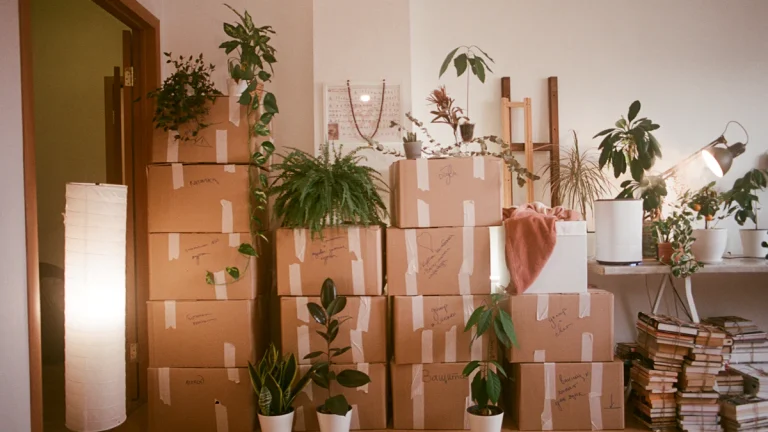
They donated the rug, split the books, and threw away three boxes of decorations ruined by moisture.
The final object was a cheap blue lamp they had bought at a thrift store when they first moved in together.
“You take it,” Camille said.
“I hate that lamp.”
“You chose it.”
“You said it was charming.”
“I was lying.”
They laughed for the first time that day.
Then Nora placed it in the donation pile.
At the office, they signed the closure form together.
Outside, Camille loaded the dining table into a borrowed van.
“I’m sorry about the hospital text,” she said suddenly. “Not because I needed a boundary. Because I gave you the boundary in the coldest possible way.”
Nora nodded.
“I’m sorry I treated every boundary like proof you didn’t care.”
Neither apology covered everything.
They were better because they did not pretend to.
A week later, Nora received a photo from Camille.
The old dining table stood in a sunny kitchen covered with paint samples and grocery bags.
No message accompanied it.
Nora looked at the photograph, smiled, and put her phone down.
She did not interpret it as an invitation.
She did not interpret it as goodbye either.
For the first time, the past was simply something they had divided without needing to decide who owned the whole story.
This is an original work of fiction. Images are illustrative stock photographs; featured photo: Luke Heibert / Unsplash.

Pingback: A Family History Short Story About Credit and Memory