My Old Friend Sent Me a Birthday Card Addressed to Someone Else
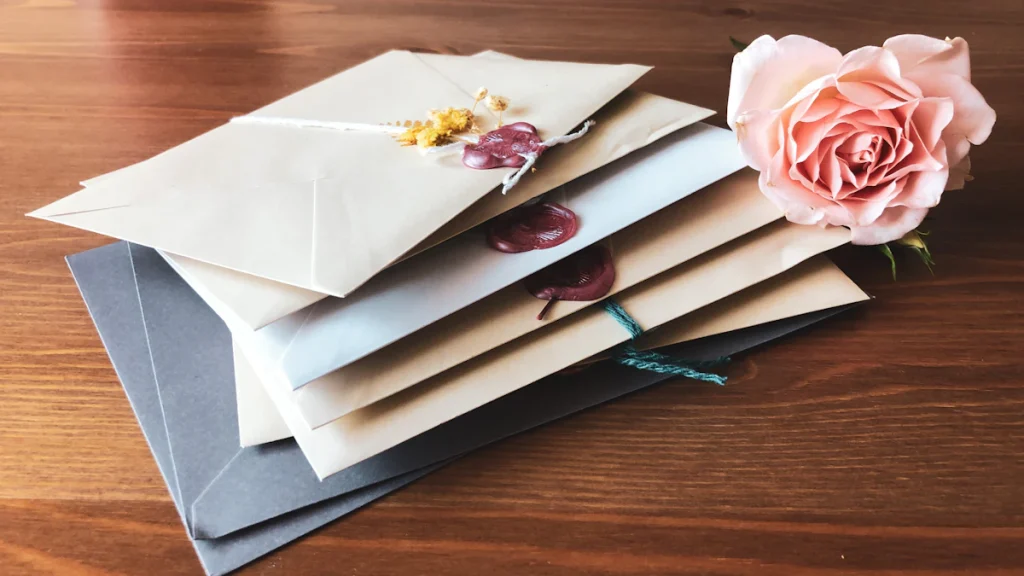
The envelope had my name on it.
The card did not.
I noticed before I even read the first sentence.
Dear Lena,
I sat at my kitchen table with the birthday card open in both hands.
Outside, rain tapped against the window. My phone kept buzzing with birthday messages from coworkers, cousins, and people I barely remembered from high school.
The card had come from Nina.
That was why I had opened it carefully.
Nina and I had been friends for nearly twenty years and strangers for almost six.
We had not fought.
That almost made it worse.
There had been no final conversation to replay, no insult to blame, no dramatic reason to explain why someone who once knew the combination to my apartment building now knew almost nothing about my life.
We simply stopped reaching each other.
At first, we blamed work.
Then distance.
Then timing.
Eventually, there was nothing left to blame because neither of us was trying very hard.
Still, Nina mailed me a birthday card every year.
Always handwritten.
Always brief.
Hope this year is kind to you.
Thinking of you today.
Happy birthday, old friend.
They had become our smallest remaining ritual.
This year, apparently, the ritual belonged to Lena.
I should have stopped reading.
I did not.
The next line said:
I know you probably think I disappeared because I stopped caring.
I felt something tighten in my chest.
The sentence could have been written to me.
I kept reading.
Nina wrote that she had been a terrible friend during the last years of her father’s life.
She had stopped answering messages because every conversation seemed to require an explanation she did not know how to give.
She had canceled plans rather than say she was exhausted.
She had ignored calls because she did not want another person asking how things were.
Then, once enough time passed, embarrassment became its own reason not to reach out.
The longer she stayed silent, the more impossible it felt to break the silence casually.
You did not deserve that, she wrote.
I am not asking us to become what we were. I just did not want another birthday to pass while pretending I had no words.
I closed the card.
Then opened it again.
I read the name at the top.
Lena.
Not Rachel.
For six years, I had made up my own explanation for Nina’s distance.
She had found people who fit her new life better.
She had outgrown me.
I had become one of those friendships that mattered mostly in retrospect.
I had accepted that story because it was clean.
The card suggested something messier.
Maybe Nina had disappeared from someone else too.
I turned the envelope over.
My address was written in Nina’s handwriting.
There was no question that she had meant to send something to me.
She had simply put the wrong card inside.
I considered doing nothing.
I could mail the card back without a note.
I could throw it away and spare both of us the embarrassment.
Instead, I texted the number I still had saved under her name.
I think I got Lena’s birthday card.
The reply came almost immediately.
Oh God.
Then:
Please tell me you didn’t read it.
I stared at the screen.
I could have lied.
I read enough to know it wasn’t for me.
Three dots appeared.
Disappeared.
Appeared again.
Can I call you?
I almost said no.
Then I remembered the card.
Okay.
Her voice sounded exactly the same.
That was the first shock.
Six years had changed both of our faces, jobs, addresses, and probably half our opinions.
But Nina still said “hey” like she was arriving five minutes late to brunch.
“I’m so sorry,” she said.
“For the card?”
“For many things, apparently.”
I laughed before I meant to.
She did too.
Then neither of us spoke.
Finally I asked, “Who’s Lena?”
“A friend from grad school.”
“Old friend?”
“Apparently that’s my specialty.”
There was no self-pity in the sentence.
That made it easier to hear.
Nina explained that her father had died eight months earlier.
While sorting his desk, she found a stack of birthday cards he had bought years in advance.
Her father had always been the person who remembered birthdays.
Nina had become the opposite.
She started thinking about people she had let disappear because contacting them felt too emotionally expensive at the time.
Lena was one.
I was another.
There were three more.
“You sent apology cards to five people?” I asked.
“That sounds worse when you say it like that.”
“It sounds organized.”
“I made a spreadsheet.”
That was so completely Nina that I laughed again.
Then I asked the question I had avoided for years.
“Why didn’t you just call me?”
She was quiet.
“At what point?”
“Any point.”
“That’s fair.”
I waited.
“When Dad got sick, every call became a status report,” she said. “People meant well. But I started feeling like I had to choose between lying and telling the truth every time someone asked how I was.”
“I would have listened.”
“I know.”
“Then why disappear from me?”
She took a breath.
“Because the closer someone was, the more I felt like I owed them the real answer.”
That sentence landed differently.
I had assumed distance meant I mattered less.
Nina was saying closeness had made the conversations harder.
It did not erase the six years.
But it changed the story I had been telling myself about them.
“The closer someone was, the more I felt like I owed them the real answer.”
“That explains it,” I said.
“It doesn’t excuse it.”
I was grateful she said that before I had to.
There is a particular kind of apology that becomes another burden when the person apologizing spends most of it explaining why they were right.
Nina did not do that.
She said she had been overwhelmed.
She said she had been ashamed.
She also said she had hurt people.
All three could be true.
Then Nina groaned.
“This means you have Lena’s card.”
“Yes.”
“And Lena probably has yours.”
I stopped.
“Mine?”
“Yes.”
“There was a card for me?”
“Rachel.”
“You didn’t say that.”
“I thought it was obvious.”
It had not been obvious.
For a moment, I felt absurdly emotional about the existence of a card I had not received.
“What did it say?”
Nina laughed softly.
“I’m not reading it over the phone.”
“Why not?”
“Because apparently the universe has decided these cards need maximum logistical difficulty.”
Lena lived forty minutes from me.
Nina asked if she could give us each other’s numbers so we could exchange cards.
I said yes.
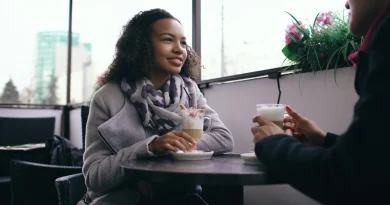
The next afternoon, I met a stranger named Lena outside a coffee shop.
She held my birthday card.
I held hers.
We looked at each other and started laughing.
“How much did you read?” she asked.
“Too much.”
“Same.”
We swapped envelopes.
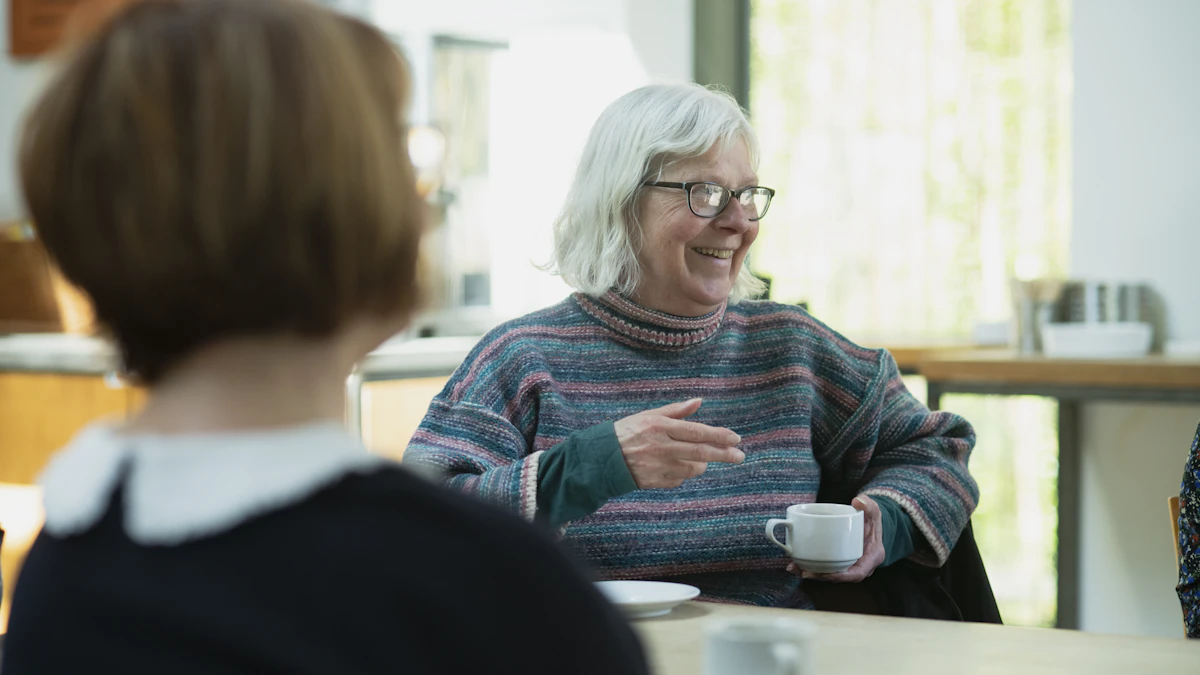
Then, because neither of us was in a hurry, we got coffee.
Lena told me she and Nina had stopped speaking four years earlier after Nina missed her wedding shower and then disappeared instead of explaining.
“I thought she hated me,” Lena said.
“I thought she outgrew me.”
We compared stories.
Not to diagnose Nina.
Not to make her the villain.
Just to understand how easy it is for silence to become personalized when no explanation arrives.
When I got home, I opened my actual card.
Dear Rachel,
This time, I read slowly.
Nina did not ask me to forgive her.
She did not ask to “pick up where we left off.”
She wrote that our friendship had mattered even during the years she failed to behave like it mattered.
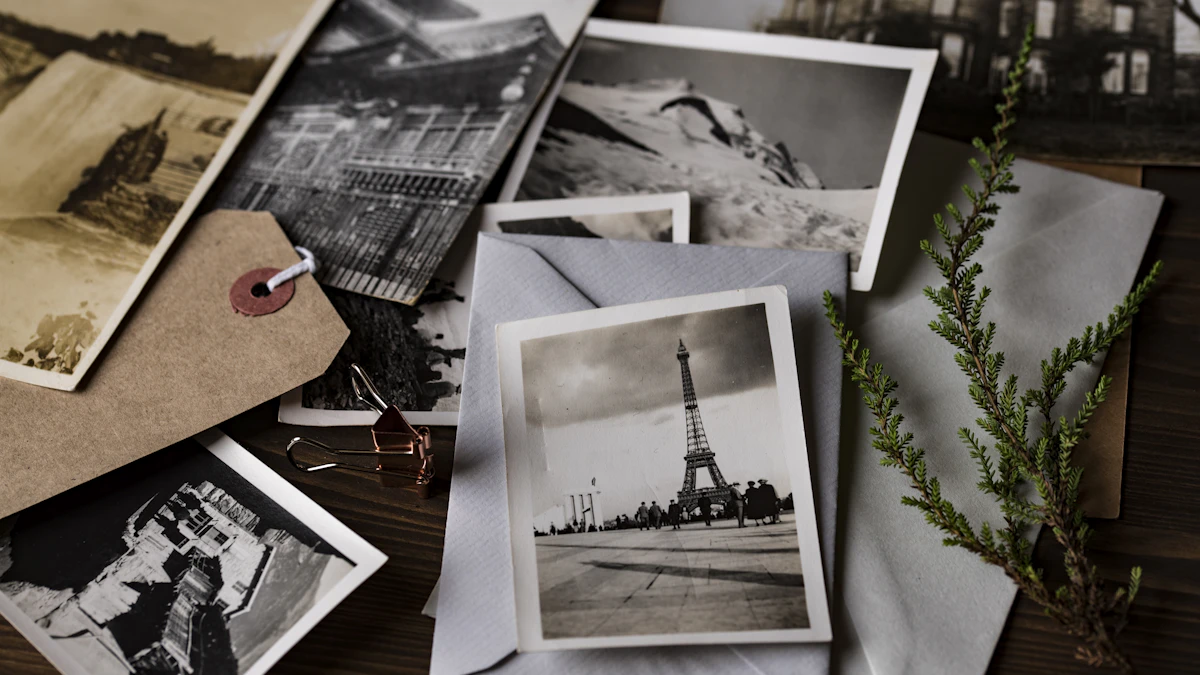
She wrote that she still remembered the apartment with the broken radiator, the diner where we spent every Thursday night, and the time we drove two hours in the wrong direction because neither of us wanted to admit we were lost.
Then she wrote:
If all this card does is tell you that the silence was not indifference, that is enough.
I sat with that sentence for a long time.
It was enough.
But it was not all I wanted.
I called her.
“Coffee next month?” I asked.
“Are you sure?”
“No.”
She laughed.
“That seems healthy.”
We met four weeks later.
It was awkward.
Then less awkward.
Then, for ten minutes, completely familiar.
We did not become best friends again.
Maybe we will never be.
But now we send more than birthday cards.
Sometimes a photo.
Sometimes a message.
Sometimes nothing for weeks, followed by an honest sentence instead of an excuse.
That feels different.
The next year, Nina sent my birthday card early.
On the envelope she wrote, in enormous capital letters:
RACHEL. DEFINITELY RACHEL.
Inside, there was only one line.
Still glad you opened the wrong one.
So was I.
Read more friendship stories or browse short stories for adults.
This is an original fictional story from Dastan.
Featured photo: Ranurte / Unsplash. Inline photos: Joanna Kosinska and Age Cymru / Unsplash.