My Mother Sold Grandma’s Ring Before the Funeral
I found out my mother had sold Grandma’s ring because my cousin asked who was wearing it to the funeral.
We were standing in my mother’s kitchen two days after Grandma died.
There were foil trays on every counter.
Flowers on the table.
A legal pad covered with names, phone numbers, and things nobody wanted to forget.
My cousin Lily asked, “Are you wearing Grandma’s ring Friday?”
I looked at my mother.
She stopped writing.
“No,” she said.
Lily misunderstood.
“Oh. Are you?”
My mother put down the pen.
“The ring is gone.”
I thought she meant lost.
“What do you mean, gone?”
“I sold it.”
The kitchen became very quiet.
“When?”
“Last week.”
Grandma had still been alive last week.
Not well.
But alive.
“You sold her ring before she died?”
My mother’s expression hardened.
“Yes.”
Grandma had signed a durable power of attorney the previous year after a hospitalization, while she was still fully able to make the decision. It allowed my mother to manage bills and sell personal property for Grandma’s care if necessary. Grandma had also said more than once that she did not want objects preserved while care bills went unpaid.
I knew all of that. What I had never imagined was that my mother would use that authority on the ring without telling the rest of us first.
I felt heat move up my neck.
The ring was not especially elegant.
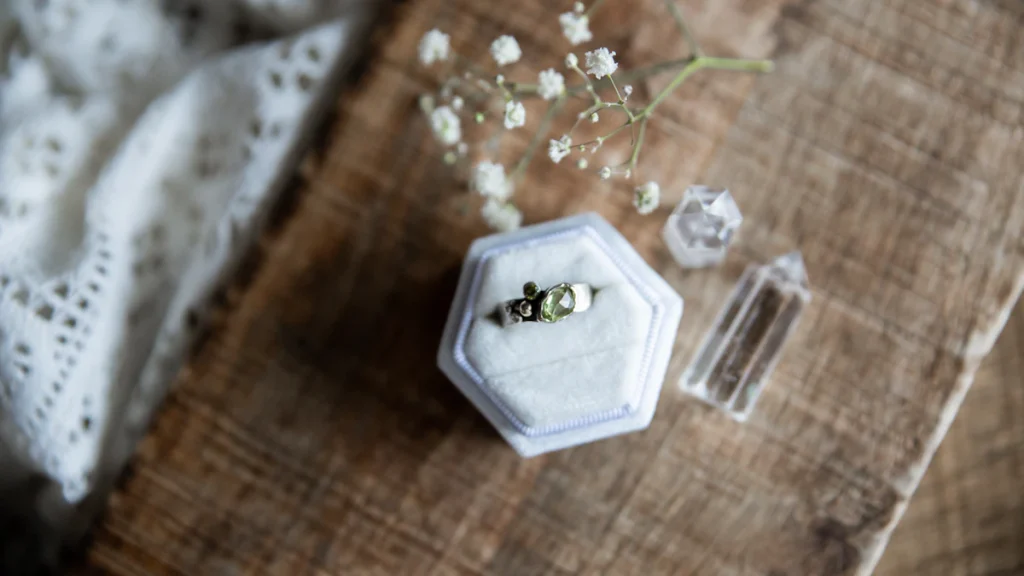
A thick gold band with a small square diamond and two tiny chips on one side.
Grandma wore it almost every day for forty-eight years.
When I was twelve, she let me try it on and said, “Someday someone in this family will have hands big enough for it.”
For years, everyone joked that meant me.
No formal promise.
No will provision.
Just enough repetition that the ring became part of the family future.
Now it had been sold before we even buried her.
“Who did you sell it to?” I asked.
“A jeweler downtown.”
“For how much?”
“Twenty-four hundred.”
Lily whispered, “Oh my God.”
My mother looked at her.
“Please don’t.”
“Don’t what?” I said.
“Turn this into a family trial in my kitchen.”
“Then explain it.”
She closed the legal pad.
“I used the money for Grandma’s expenses.”
“What expenses?”
“Home care. Pharmacy balances. The funeral deposit.”
“We could have paid those.”
My mother laughed once.
There was no humor in it.
“You all could have.”

That sentence changed the temperature of the room.
My mother had been Grandma’s primary caregiver for almost three years.
We all knew that.
We called often.
Visited when we could.
Sent groceries.
Took turns on weekends when schedules aligned.
But my mother handled the daily parts.
Appointments.
Insurance calls.
Medication pickups.
Home-care scheduling.
Emergency room nights.
The endless paperwork that appears when someone’s life becomes more administratively complicated than physically large.
I had always described her as “the organized one.”
It sounded like praise.
Standing in her kitchen, I started to hear the convenience inside it.
“How much did you pay?” I asked.
“For what?”
“All of it.”
My mother looked tired.
“I don’t know exactly.”
“Estimate.”
“More than the ring.”
“How much more?”
She opened a drawer and took out a folder.
Not dramatically.
Like someone who had opened the same folder a hundred times.
Inside were receipts.
Checks.
Pharmacy statements.
Home-care invoices.
One page showed six months of transfers from my mother’s account.
I added them in my head until I stopped.
“Why didn’t you tell us?”
“I did.”
“No, you didn’t.”
“I asked in the family group chat in February if people could help with the night aide.”
I remembered.
I had replied:
Of course. Tell us what you need.
Then work got busy.
My mother never sent a number.
I never asked again.
Lily sat down.
“I thought insurance covered most of it.”
“It didn’t.”
My mother’s voice was flat now.
“And every time something came up, someone said, ‘Just let us know.’”
I felt defensive.
“You could have let us know.”
“I was letting you know.”
“Not clearly.”
“That is true.”
Her agreement stopped me.
She looked at the folder.
“I got tired of asking vaguely and everyone answering vaguely.”
“For two years, everyone treated me like the executor before there was even an estate.”
That was when I understood the ring was part of a much older conflict.
My mother had begun making decisions alone because she was the person physically present when decisions had to be made.
She became efficient.
Then private.
Then resentful.
We became grateful.
Then passive.
Then shocked when she stopped asking.
None of that made selling the ring right.
I told her so.
“Grandma’s things are not reimbursement.”
“I know.”
“Then why that ring?”
“Because it was worth enough.”
“That is not an answer.”
“It is the practical answer.”
“You knew people cared about it.”
She looked at me.
“I knew people cared about having it later.”
That hurt because it was partly true.
We argued for another hour.
Not elegantly.
I told her she had crossed a line.
She told me I had benefited from that line being crossed quietly for years.
Both things were true.
The next day, I called the jeweler.
The ring had already been sent to a wholesaler.
It was not coming back.
I expected that to make me angrier.
Instead, it made the situation final enough to become sad.
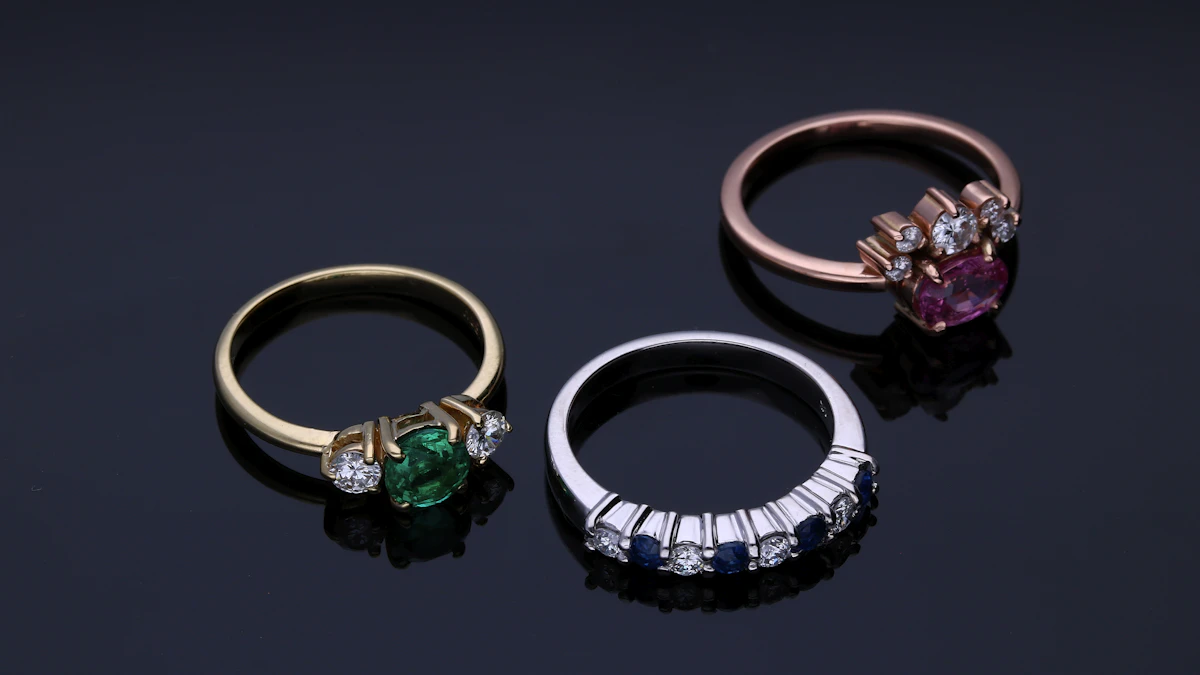
At the funeral, nobody wore Grandma’s ring.
I noticed its absence every time someone reached for a tissue or touched my shoulder.
Afterward, my mother and I sat in the empty reception hall.
“I should have asked,” she said.
It was the first clean apology she had given me.
“Yes.”
“I was angry.”
“At us?”
“At everyone. At the bills. At being tired. At your grandmother for refusing help until every situation became urgent.”
She looked ashamed after saying it.
I understood.
Caregiving does not eliminate anger.
Sometimes it creates conditions for it.
“I should have paid more attention,” I said.
She did not immediately reassure me.
I was grateful for that.
After the funeral, our family did something painfully unromantic.
We made a spreadsheet.
Not to assign blame.
To finish the estate without repeating the same pattern.
We listed expenses my mother had paid.
We listed items from Grandma’s house.
Before anything was sold, donated, or claimed, everyone saw the list.
Sentimental objects were discussed separately from financial reimbursement.
No one person had to decide everything because they happened to be standing closest to the problem.
It took longer.
That was probably the point.
Some decisions should be slower.
Months later, my mother gave me Grandma’s old recipe box.
“Before you ask, it was on the spreadsheet.”
I laughed.
Inside were index cards stained with oil and flour.
No diamonds.
No gold.
Nothing worth selling.
I kept it anyway.
Sometimes I still think about the ring.
I wish my mother had not sold it.
Understanding why she did does not require pretending I am glad she did.
That became the most useful thing I learned from the whole argument.
Family repair does not always end with everyone agreeing the painful decision was secretly correct.
Sometimes repair means naming what was understandable, naming what was wrong, and changing the system that made both things possible.
Read more family betrayal stories or browse drama and betrayal stories.
This is an original fictional story from Dastan.
Featured photo: Judith Zimmermann / Unsplash. Inline photos: Christina and Edgar Soto / Unsplash.