My Neighbor Learned to Read at Seventy-Two
My neighbor learned to read at seventy-two.
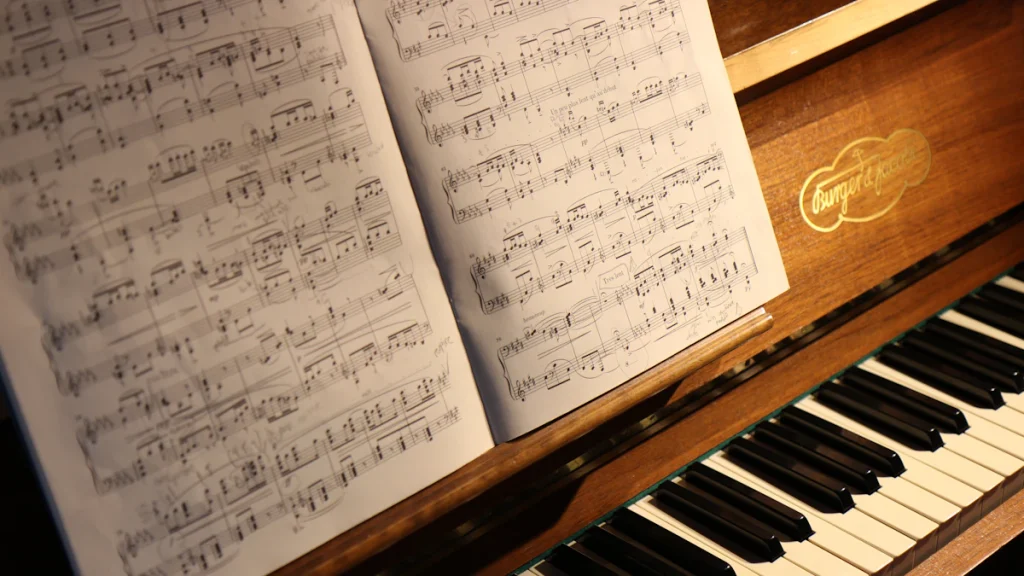
Sheet music, not books.
That distinction mattered to her.
“I’ve been reading since I was five,” Ruth told me the first time I offered to help. “I just can’t read this nonsense.”
She tapped the page on her piano.
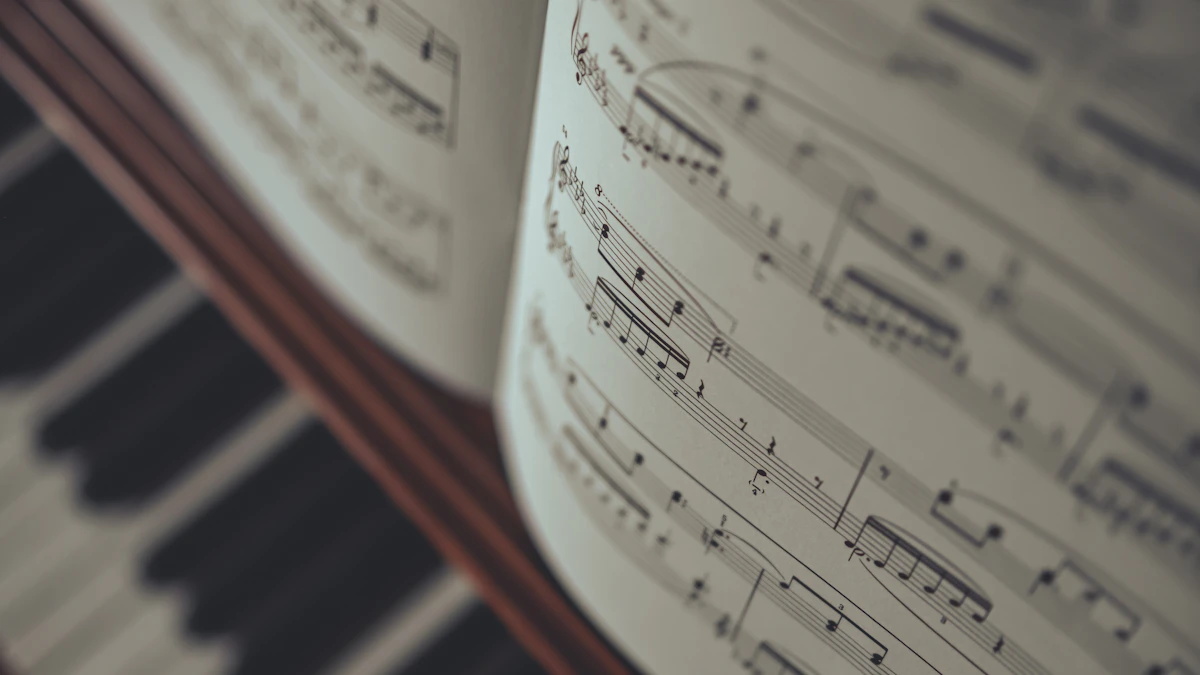
Black notes sat on five lines like insects that had agreed on a complicated seating chart.
Ruth could play almost anything she had heard enough times.
Old standards.
Church songs.
Movie themes.
Birthday songs in whatever key suited the singer.
She could hear a melody once, find it on the keyboard, and add chords before I had figured out where she started.
But put printed music in front of her and she became furious.
“That is supposed to be middle C,” she said, pointing at a note.
“It is middle C.”
“Then why not write C?”
“Because music notation—”
“Bad system.”
I laughed.
She did not.
Ruth lived across the hall from me and had owned the same upright piano since 1984.
I knew this because she told anyone who stood near it for more than thirty seconds.
I was a middle-school music teacher.
She knew this because apartment buildings make privacy theoretical.
One Saturday in March, she knocked on my door carrying a beginner piano book.
“I need lessons.”
I thought she was joking.
“You play better than half my students.”
“I didn’t say I need piano lessons.”
She opened the book.
“I need reading lessons.”
Her reason was simple.
The community center had started a small ensemble for adults.
Piano, violin, flute, guitar, whatever people brought.
Ruth wanted to join.
The director handed out arrangements.
Everyone was expected to follow printed parts.
“I can learn the songs by ear,” she said.
“Then why not?”
“Because by the time I learn what everyone else learned from the page, they’ve moved on.”
That answer made sense.
So we started.
I taught her the staff.
Treble clef.
Bass clef.
Intervals.
Note values.
She hated all of it.
“This is bureaucracy for sound,” she said.
“You’re not entirely wrong.”
“Good. Then abolish it.”
The first month was bad.
Not because Ruth could not learn.
Because I was teaching her like a child who had never touched a piano.
I assigned five-note exercises.
She played them correctly and glared at me.
I asked her to name notes one by one.
She answered slowly, then immediately played the entire phrase by ear after hearing me demonstrate it once.
“Stop doing that,” I said.
“Doing what?”
“Using your ear to skip the reading.”
“My ear has worked for sixty years.”
“I know.”
“You want me to pretend it doesn’t?”
I started to answer.
Then I stopped.
She had found the flaw in my teaching before I did.
I was treating her existing skill as interference.
It was actually the bridge.
The next lesson, I changed everything.
Instead of asking her to identify isolated notes, I showed her shapes.
Up a third.
Down a step.
Repeated note.
Chord moving in parallel.
I connected the printed patterns to sounds she already recognized.
“That looks like a walk up the scale,” I said.
“Because it is.”
“Exactly.”
For the first time, she stopped fighting the page.
She leaned closer.
“So I don’t have to translate every dot into a letter.”
“Not eventually.”
“You could have said that four weeks ago.”
“I was young then.”
She laughed.
“I don’t want to become a different musician. I want one more way into the music.”
That sentence changed the lessons.
Ruth was not trying to repair a deficiency.
She was adding access.
She could already enter a song through sound.
Now she wanted to enter through the page too.
We practiced for twenty minutes three evenings a week.
No more than that.
Long sessions made her impatient and me overly ambitious.
We used real music as soon as possible.
Simple arrangements, but songs she did not already know.
That part mattered.
If she knew the melody, her ear took over.
She needed the page to tell her something new.
The piece was eight measures long.
Nothing impressive.
Mostly quarter notes.
One accidental.
A simple left-hand pattern.
She played the first measure.
Stopped.
Played it again.
Then the second.
At measure four, she hit a wrong note and swore.
At measure six, she slowed down so much the rhythm almost disappeared.
At measure eight, she reached the final chord.
Then she sat completely still.
“Have you heard that before?” I asked.
“No.”
“Did I play it for you?”
“No.”
“Then you read it.”
Ruth looked at the page.
Then at me.
“Again.”
She played it again.
Better.
By summer, Ruth joined the community ensemble.
She was still the slowest reader in the group.
She also had the best ear.
During rehearsal, if the guitarist came in on the wrong chord, Ruth heard it immediately.
If the violin drifted sharp, she noticed.
If someone lost the beat, she could often keep the harmony moving until everyone recovered.
The skill she had once considered evidence that she was “cheating” turned out to be useful to everyone.
The reading helped too.
She no longer needed recordings weeks in advance.
She could mark her part.
Follow repeats.
Find the right place after a stop.
She did not become a fast sight-reader.
That was never the goal.
The goal was participation without waiting for someone else to teach her every note first.
At the ensemble’s first public performance, Ruth played a simple arrangement of four songs.
Her family filled an entire row.
Afterward, her grandson said, “Grandma, I didn’t know you were taking piano lessons.”
Ruth corrected him immediately.
“Reading lessons.”
He looked confused.
“You can already read.”
“Exactly.”
She refused to explain further.
I did not help.
Some jokes belong to the person who earned them.
The lessons changed the way I taught at school too. I had been too quick to assume that beginners needed the same sequence simply because they were new to a skill. Ruth reminded me that people arrive with different kinds of knowledge. One student may know terminology but struggle to hear pitch. Another may hear harmony instantly and need help decoding symbols. Starting at the same page does not mean starting from the same place.
Ruth hated when anyone praised her for learning “at her age.” She would say, “I am learning because I want to know this, not because seventy-two is a stunt.” Eventually I stopped mentioning the number. The interesting part was not that she was old enough to surprise people. It was that she had found a specific limitation inside something she loved and decided to work on it.
Months later, she knocked on my door again with a new book.
Not beginner music.
Not simplified arrangements.
A collection of short pieces by composers she did not know.
“Pick one,” she said.
“For the ensemble?”
“No.”
“Then why?”
She shrugged.
“I want to find out what it sounds like.”
That was the difference.
Before, unfamiliar music was inaccessible until someone else played it.
Now a closed book contained sounds she could unlock herself.
Slowly.
Imperfectly.
But independently.
Read more inspiring stories or browse short stories for adults.
This is an original fictional story from Dastan.
Featured photo: Lorenzo Spoleti / Unsplash. Inline photos: Bruno Croci and Geert Pieters / Unsplash.