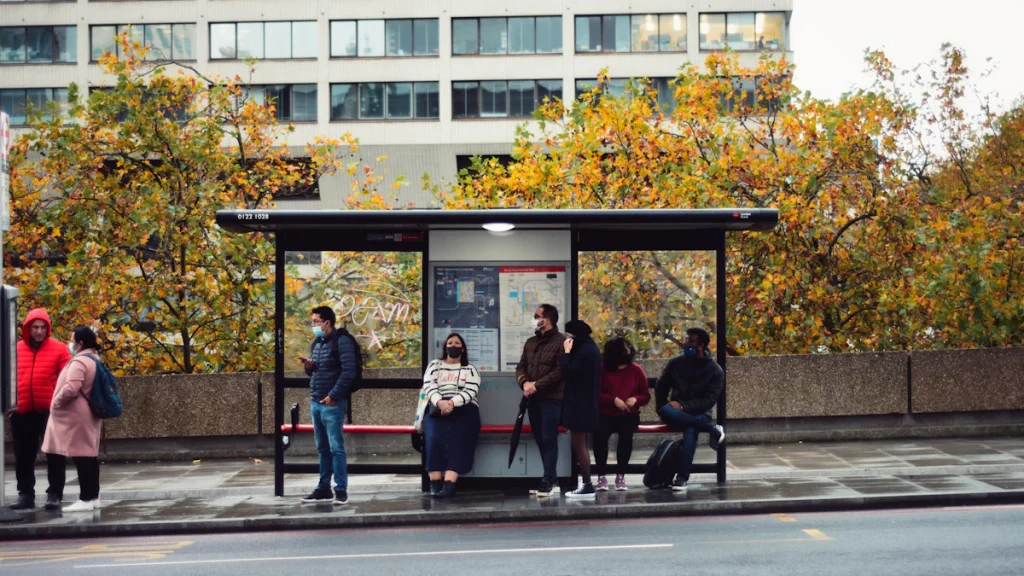
The Bus Driver Waited for One Passenger Every Tuesday
Every Tuesday, the driver of the 6:12 bus waited ninety seconds longer than he was supposed to.
Not two minutes.
Not five.
Ninety seconds.
I knew because I watched the clock.
I took that bus home from work three nights a week, and Tuesdays were the only night Route 42 developed a strange little pause at the corner of Mercer and Pine.
The stop was beside a community college.
At 6:12, the driver—Mr. Alvarez, according to the badge clipped above his shirt pocket—would pull in, open the doors, and look toward the building entrance.
If no one appeared, he waited.
At 6:13 and thirty seconds, a woman usually came running.
She was in her sixties, always carrying the same black tote bag and a folder pressed against her chest.
Every Tuesday she climbed the steps breathless and said, “Thank you, thank you.”
Mr. Alvarez always answered, “You made it.”
Then we left.
The first few times, I thought it was sweet.
By the fifth Tuesday, it annoyed me.
I had a connection to make downtown.
So did other people.
Ninety seconds did not sound like much until you watched the next bus pull away while yours waited for one person who was not even at the stop yet.
One Tuesday, a man behind me muttered, “Here we go again.”
Another passenger said, “He’s not supposed to do this.”
I agreed silently.
The woman appeared at 6:13 and twenty seconds.
She was running harder than usual.
When she boarded, someone near the back said loudly, “Some of us have places to be.”
The woman froze.
Mr. Alvarez closed the doors.
“She’s on,” he said.
The bus moved.
No one answered.
The following Tuesday, I boarded already irritated.
I had missed my connection the week before and waited eighteen minutes in the cold.
At Mercer and Pine, Mr. Alvarez pulled in.
6:12.
No woman.
He looked toward the college.
6:12:30.
Nothing.
6:13.
The same man from the week before sighed dramatically.
“Come on.”
Mr. Alvarez kept watching the entrance.
At 6:13:25, the woman appeared.
This time she was not running.
She was walking carefully beside another woman who used a cane.
They reached the bus together.
Mr. Alvarez lowered the bus slightly and waited while the second woman climbed aboard.
The regular woman helped her into a seat.
Then she sat across the aisle from me.
I noticed the folder in her lap.
On the front, written in blue marker, were the words:
ADULT READING — LEVEL 2

That changed my assumptions, but not my schedule.
I still missed my connection.
I still waited in the cold.
Kindness was easier to admire when it did not cost me anything.
The next Thursday, I happened to sit near the front.
At a red light, I asked Mr. Alvarez about the Tuesday wait.
“Is that built into the schedule?”
He glanced at me in the mirror.
“What?”
“Mercer and Pine. You wait for that woman.”
He smiled slightly.
“You’ve noticed.”
“Everyone has noticed.”
“That bad?”
“Some people miss connections.”
The smile disappeared.
“I know.”
That answer irritated me more than denial would have.
“Then why do it?”
The light changed.
He drove for half a block before answering.
“Because I have ninety seconds.”
“You’re allowed to wait?”
“I’m allowed recovery time before the next timing point. I can take it there or three stops later.”
“So you moved it.”
“On Tuesdays.”
“For her.”
“For the class.”
I looked at him.
“What does that mean?”
He did not answer until we reached the next stop.
“Ask her.”
I did not intend to.
Then Tuesday came again.
At Mercer and Pine, the woman arrived early for once.
She sat in the front row.
I took the seat across from her.
For several stops, I said nothing.
Then I asked, “Do you take a class at the college?”
She looked down at the folder.
“Yes.”
“Reading?”
She laughed.
“You saw the giant label.”
“Hard to miss.”
Her name was Denise.
She had left school at sixteen and worked for decades without anyone realizing how much she avoided reading.
She memorized forms.
Recognized packaging by color.
Asked coworkers to “double-check” instructions she could not fully understand.
Her husband handled bills until he died.
After that, the workarounds became harder.
“I could read,” she said. “Just not enough to trust myself.”
Two years earlier, she enrolled in the Tuesday evening literacy class.
The class ended at six.
The teacher often kept them a few minutes because several students had questions after class.
The next bus after 6:12 came forty minutes later.
“Why not leave class early?” I asked.
Denise gave me a look.
“I did.”
“At first?”
“For almost a year.”
She packed her bag at 5:55 every Tuesday, missed the last exercise, and hurried to the stop.
Then one evening Mr. Alvarez asked why she always ran out of the building.
She told him.
He checked his schedule.
“Next week, stay until class ends,” he said.
She thought he was joking.
He was not.
He moved his allowed recovery time.
Ninety seconds.
That was enough most weeks.
“He never told me he was doing something special,” Denise said. “He said the bus had time. That was all.”
“He didn’t make me choose between finishing class and getting home.”
I thought about my missed connection.
Then I thought about Denise leaving class five minutes early for almost a year.
Both things were true.
The wait cost me time.
It gave her time back.
That did not automatically make one more important than the other.
But it made the situation less simple than I wanted it to be.
A week later, the transit authority sent someone to ride Route 42.
Apparently a passenger had complained about unscheduled waiting.
The inspector stood near the front with a tablet.
At Mercer and Pine, Mr. Alvarez stopped.
Denise was not there.
He looked at the college.
6:12:30.
The inspector looked at his screen.
6:13.
Still nothing.
I felt the whole bus become aware of itself.
At 6:13:15, Denise appeared.
She ran toward us.
Mr. Alvarez opened the door.
She boarded.
The inspector said nothing.
At the end of the route, he spoke quietly with Mr. Alvarez.
I could not hear the conversation.
The next Tuesday, the bus arrived at Mercer and Pine at 6:12.
Mr. Alvarez looked toward the college.
Then he closed the doors immediately.
We left.
No one complained.
I watched the college disappear behind us.
For the next several weeks, the bus left at 6:12. Some Tuesdays Denise made it. Twice, I saw her arrive just after we pulled away and wait for the next bus.
Mr. Alvarez told me the supervisor was reviewing the timing point because the route already had recovery time later in the trip. Moving two minutes officially required more than one driver’s judgment and more than one week of observation.
Five weeks after the inspection, a notification appeared on my transit app.
Tuesday schedule adjustment effective next month.
Route 42’s departure from Mercer and Pine was changing from 6:12 to 6:14.
The authority had not converted a private favor into a permanent exception overnight. It had reviewed the stop and changed the timetable.
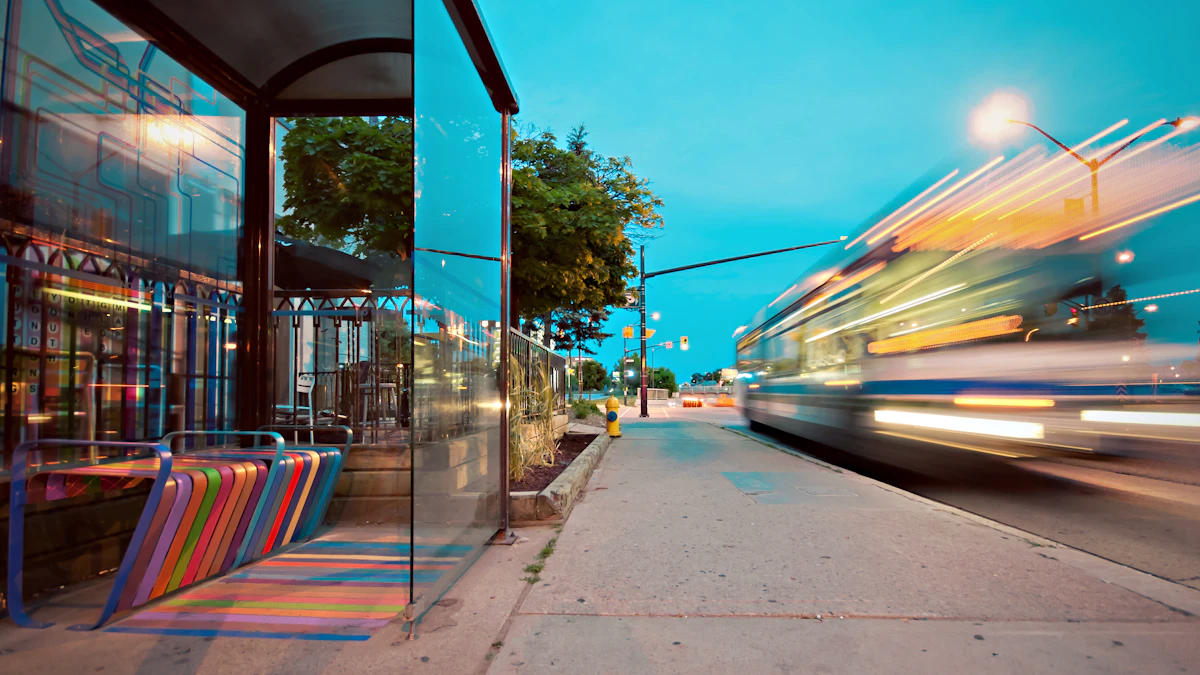
The following Tuesday, Denise boarded at 6:13:40.
This time, no one was waiting illegally.
No one had to choose whose time mattered more.
The schedule had finally caught up with reality.
I made my downtown connection too.
Mr. Alvarez looked at me in the mirror.
“Better?”
“Much.”
Denise overheard.
“You were the complainer?”
I laughed.
“No.”
“You thought about it.”
“Absolutely.”
She nodded.
“Fair.”
Months later, I ran into Denise at the bus stop carrying a different folder.
The label said:
ADULT READING — LEVEL 3
“You moved up,” I said.
She smiled.
“Took me long enough.”
At 6:14, the bus arrived.
No sprinting.
No apologies.
No one watching the clock.
It occurred to me that the best part of what Mr. Alvarez had done was not waiting.
It was noticing that a system could be changed instead of asking the same person to keep running harder.
Read more kindness and humanity stories or browse short stories for adults.
This is an original fictional story from Dastan.
Featured photo: Sandy Ravaloniaina / Unsplash. Inline photos: Quilia and Scott Webb / Unsplash.