I Gave My Umbrella Away and Found It at My Door a Week Later
I gave the umbrella away because I thought I was done with it.
Not because it was broken.
Not because I disliked it.
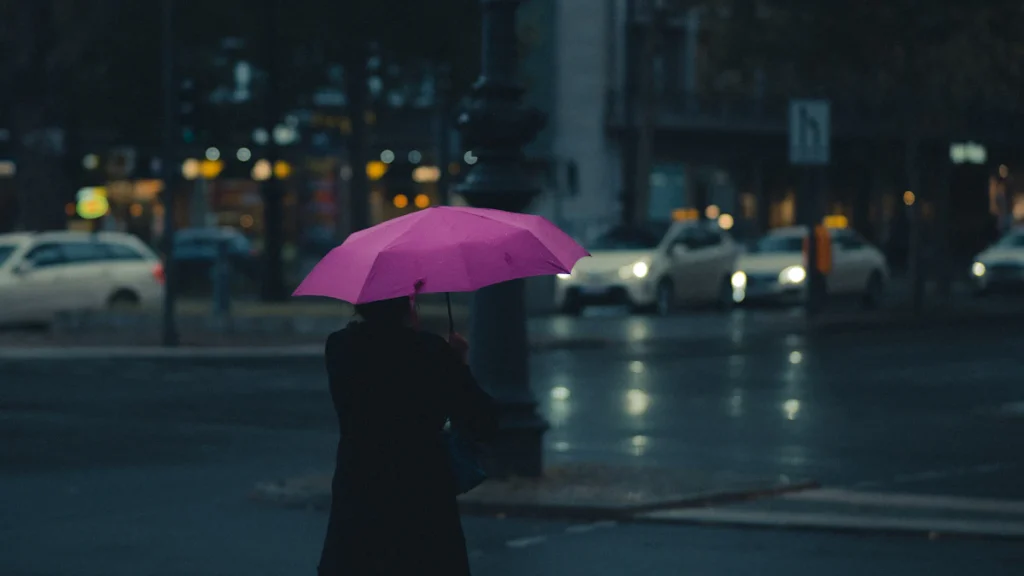
Because a woman outside the pharmacy was standing under an awning with a paper bag tucked beneath her coat while rain came down hard enough to turn the street silver.
I had an umbrella.
She did not.
That seemed like the whole equation.
“Take mine,” I said.
She looked at me.
“No, it’s okay.”
“Really. I live two blocks away.”
“I can wait.”
“You’ll be waiting an hour.”
She hesitated.
I held the umbrella toward her.
“Take it.”
Finally, she did.
“How do I get it back to you?”
“Don’t worry about it.”
She looked uncertain.
“Are you sure?”
“Yes.”
I ran home through the rain feeling absurdly pleased with myself.
Not heroic.
Just useful.
The umbrella was navy blue with a green rubber handle and a strip of white tape near the grip because I had once labeled it for an office coat rack:
S. Chen — 4B
I had forgotten the label existed.
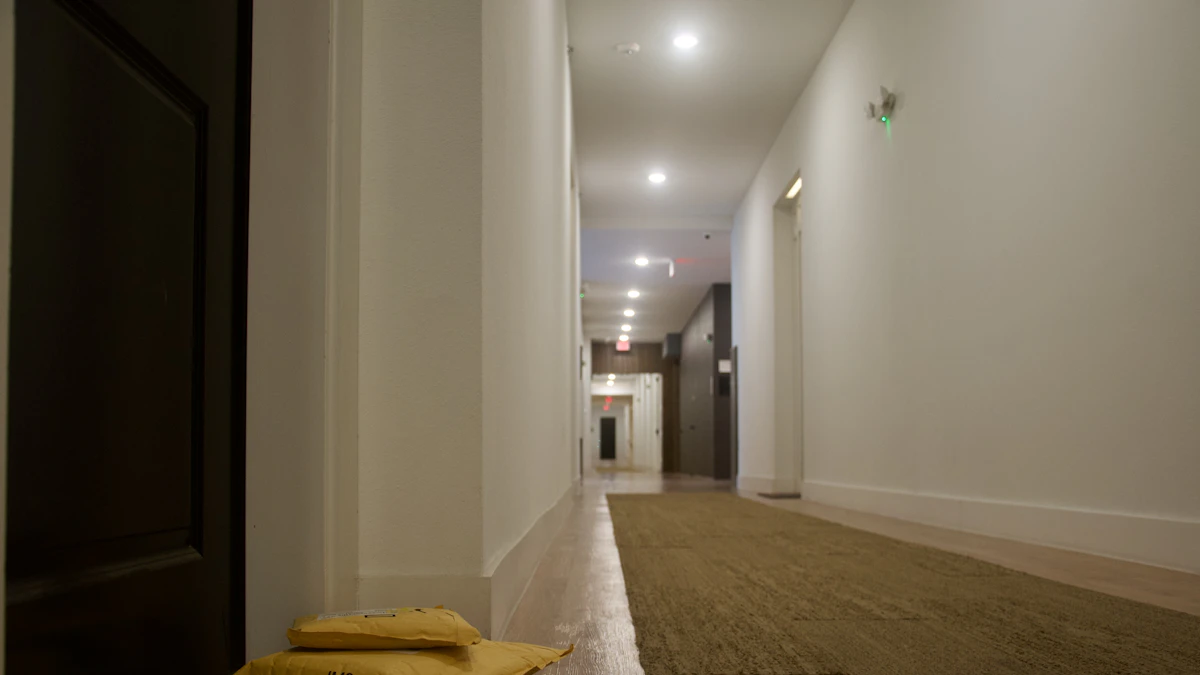
A week later, the umbrella was leaning against my apartment door.
Dry.
Folded neatly.
With a note tied around the handle.
Thank you. I only needed it for one night. —Mina, 5A
I stared at the note.
5A was upstairs.
The woman had not been a stranger from across the city.
She had been my new neighbor.
That reaction embarrassed me.
I carried the umbrella inside.
Then I read the note again.
I only needed it for one night.
The sentence bothered me more than it should have.
I had assumed she needed an umbrella.
She had.
But apparently I had also assumed she needed me to give her one permanently.
The next morning, I saw Mina in the elevator.
She recognized me immediately.
“You found it?”
“Yes.”
“Good.”
“You really didn’t have to return it.”
“I know.”
“I meant you could keep it.”
“I know.”
There was something about the second “I know” that made me stop.
“Then why bring it back?”
Mina adjusted the grocery bag in her arms.
“Because it’s yours.”
“I gave it to you.”
She smiled slightly.
“You told me to take it.”
“That means keep it.”
“Not to me.”
The elevator doors opened.
She stepped out.
Then turned around.
“Also, I didn’t need a free umbrella. I needed to get home without soaking my medication.”
The doors closed between us.
I stood there holding nothing and feeling corrected.
For the rest of the day, I kept replaying the exchange.
I had not done anything terrible.
Mina had needed shelter from the rain.
I had helped.
But I had also enjoyed the idea that the help was complete because I had surrendered ownership.
Returning the umbrella ruined the neatness of that story.
That evening, someone knocked on my door.
Mina stood in the hallway holding two mugs.
“Peace offering,” she said.
“I didn’t know we were at war.”
“You looked wounded in the elevator.”
I laughed.
She handed me one mug.
Tea.
We sat on the stairs between the fourth and fifth floors.
Mina had moved into 5A three weeks earlier.
She worked as a physical therapist at a rehabilitation clinic nearby.
The night I gave her the umbrella, she had just picked up a prescription after a fourteen-hour shift.
Her phone battery was dead.
Her ride canceled.
She was tired enough that standing in the rain felt like one problem too many.
“So yes,” she said, “I needed help.”
“But not an umbrella forever.”
“Correct.”
“This is very specific.”
“It became specific because you looked offended when I returned it.”
I laughed again.
Then she told me why.
For years, Mina had been the person in her family everyone assumed needed rescuing.
Her older brother fixed things before she asked.
Her mother brought food she had not requested.
Friends offered money during a difficult year and became frustrated when she repaid it.
“People mean well,” she said.
“But?”
“Sometimes accepting help turns into accepting someone else’s version of your need.”
I looked at the umbrella inside my apartment.
“I thought keeping it would make the gesture easier.”
“For you.”
She was right.
“Help can be generous and still leave the other person room to decide what happens next.”
That was the part I had not considered.
I thought removing the expectation of repayment was automatically respectful.
Often it is.
But sometimes returning something is not repayment.
It is the person saying:
I needed assistance.
I did not need a new identity as someone who receives things.
After that, we became hallway friends.
Not intimate.
Not instantly close.
We borrowed ordinary things.
A screwdriver.
Cooking oil.
A phone charger.
And, once, the umbrella again.
That happened two months later.
I was leaving for work when Mina opened her door.
“Is it raining?” she asked.
“Hard.”
She looked down at her shoes.
“Can I borrow the navy umbrella?”
I smiled.
“Borrow?”
“Borrow.”
“Terms?”
“Return within twenty-four hours, normal wear accepted.”
“Approved.”
She brought it back that evening.
This time, I was not disappointed.
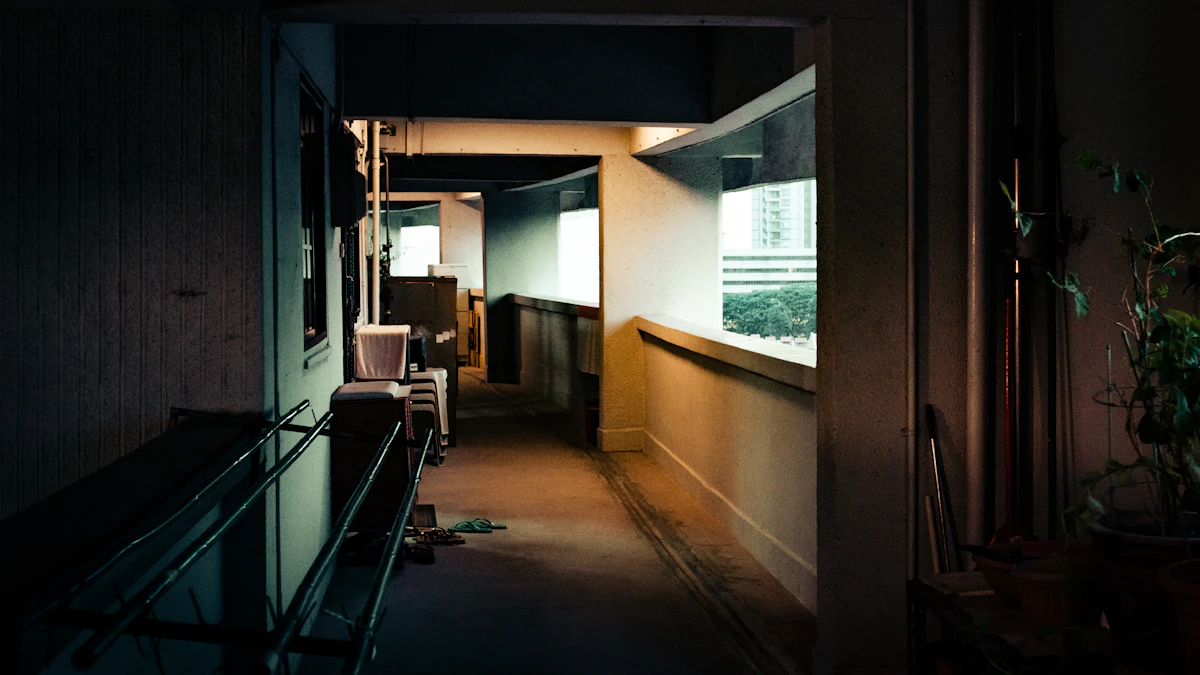
A few weeks later, I saw a delivery driver in the lobby staring through the glass doors at heavy rain.
He had no umbrella.
I almost handed him mine automatically.
Instead, I asked:
“Do you want to borrow this?”
He looked at me.
“I’m going across the street.”
“Then maybe you don’t need it.”
“I’m already wet.”
We both laughed.
He ran into the rain.
I kept the umbrella.
That moment taught me as much as giving it away had.
Not every visible problem is an invitation to solve it.
Not every offer has to become a gift.
And not every returned thing means your help was unwanted.
Sometimes the respectful part of generosity is allowing the other person to define the size of the favor.
A few weeks after that, I found Mrs. Alvarez from 3C struggling with two heavy grocery bags near the elevator. My old instinct was to take the bags from her hands before she could object. Instead, I asked, “Would it help if I carried one, or do you just need me to hold the elevator?”
She looked at me, then handed over the heavier bag. “One bag. I’ve got the other.”
It was such a small exchange that no one else would have noticed it. But I did. I had always thought good helpers moved quickly enough to remove the problem. Now I was learning that good help could begin with a question and leave part of the task untouched.
That approach was less dramatic. It also felt more respectful. People did not become passive just because I had something useful to offer. They could accept one part, refuse another, change their minds, or return what they no longer needed.
The navy umbrella is still in my apartment.
The white label is still wrapped around the handle:
S. Chen — 4B
Underneath it, Mina added a second strip of tape as a joke.
ALSO SOMETIMES 5A.
I left it there.
Read more kindness and humanity stories or browse short stories for adults.
This is an original fictional story from Dastan.
Featured photo: Marc Kleen / Unsplash. Inline photos: Dan Dennis and Christian Chen / Unsplash.