Twelve Days Before the Wedding
The screenshot appeared in the shared wedding album between a photograph of Lena holding a cake knife and a picture of Adrian asleep on a ferry.
He almost scrolled past it.
Then he saw his own name.
LENA: I think I’m going to end things with Adrian after New Year’s.
Below it, three of their closest friends had replied.
The screenshot was dated three years earlier.
The wedding was twelve days away.
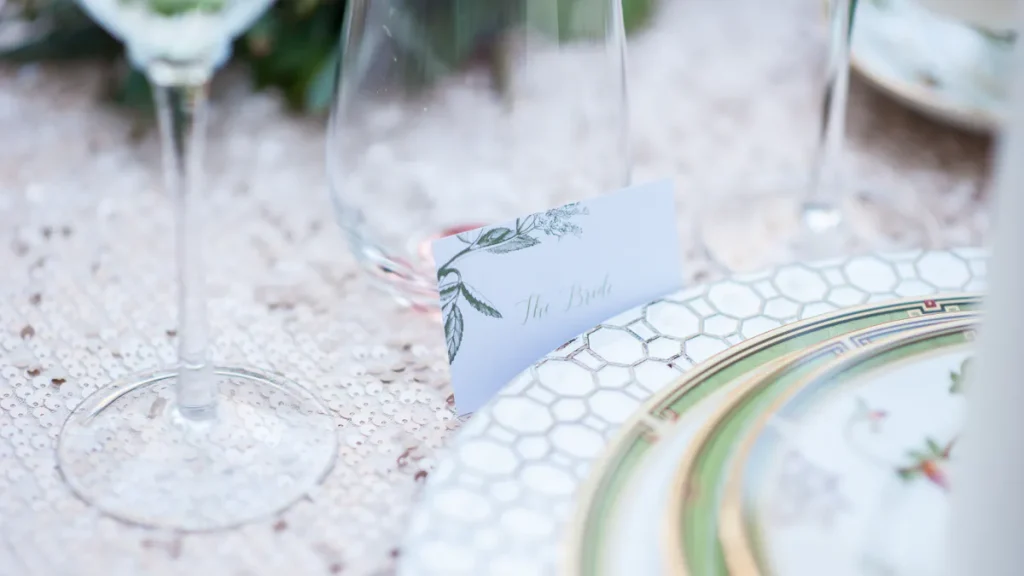
Adrian was sitting at the kitchen table with place cards spread around him when he found it. He read the message again, then checked the date as if a different year might materialize.
The shared album had been created by Lena’s friend Sophie, who was collecting old photographs for a reception slideshow. The screenshot had likely been uploaded by mistake along with a batch of images from an old phone.
Adrian took a picture of the screen with his own phone before removing nothing, changing nothing, and doing the least useful thing available: continuing to arrange place cards alphabetically.
He turned Sophie’s card facedown, then turned it back over because the gesture felt childish. There were forty-eight guests on the list. He knew which ones had allergies, which ones could not sit near an ex, and which ones needed a ride from the station. He had spent weeks trying to make everyone comfortable. Now he imagined three of those people exchanging looks during the vows, remembering a conversation he had never been allowed to hear. He understood that the image was unfair to them. He still could not make it leave.

When Lena came home, she noticed his silence within a minute.
“What happened?”
He turned the phone toward her.
Her face changed before she picked it up.
“Where did you get this?”
“Wedding album.”
“Oh my God.”
“That’s one response.”
“Adrian, I can explain.”
He hated how familiar the phrase sounded despite the fact that she had never needed to say it to him before.
“Were you going to leave me?”
Lena sat down.
“I thought about it.”
“After New Year’s?”
“Yes.”
“And Sophie knew.”
“Yes.”
“Marta knew. Chris knew.”
“Yes.”
That was the part he could not stop circling.
Three years earlier had been their worst year. Adrian had taken a job that required constant travel. Lena had started a demanding graduate program. They had lived in the same apartment while seeing each other mostly through notes about groceries and laundry. They fought about dishes because dishes were easier than discussing whether their lives still fit.
Adrian remembered that period as something they had survived together.
The screenshot suggested Lena had experienced it as something she had survived while privately deciding whether to leave.
“Why didn’t you tell me?” he asked.
“At the time?”
“At any time.”
Lena placed the phone on the table.
“Because I didn’t leave.”
“That makes it irrelevant?”
“No. It made it feel like a thought I had when things were bad, not a fact I needed to preserve forever.”
He looked at the place cards between them. Sophie’s name was on top.
“Everyone standing beside us at the wedding knew.”
“Not everyone.”
“Excellent.”
“Don’t do that.”
“Do what?”
“Make it sound like I organized a committee against you.”
She told him what the screenshot did not show.
That winter, Lena had been exhausted, angry, and ashamed that their relationship had become another obligation on a schedule. She had told three friends she might leave after the holidays because she wanted to decide without blowing up Christmas with both families. A week later, Adrian had unexpectedly turned down an additional travel assignment.
Not because he knew what she was considering. He hadn’t.
He had told his boss he was tired of treating home as the place he kept his clean shirts.
They started having dinner together again. Then they had the argument they should have had months earlier, the one where Lena told him she felt abandoned and he told her he felt like every failure at home proved he was becoming his own absent father.
They changed jobs, schedules, and habits slowly.
“By February I wasn’t thinking about leaving,” she said. “By summer, I thought we had actually fixed something.”
“So did I.”
“We did.”
Adrian understood the logic. Understanding did not remove the humiliation.
The next evening they met Sophie for coffee.
She apologized before sitting down.
“I uploaded an old screenshots folder by mistake. I didn’t even know that was in there.”
Adrian asked the question he wished he did not care about.
“What did you think of me that year?”
Sophie looked at Lena, then back at him.
“I thought you were both miserable and pretending it was temporary.”
“Did you tell her to leave?”
“I told her not to stay only because leaving felt embarrassing.”
“That’s not what I asked.”
“No. I didn’t tell her to leave.”
On the walk home, Adrian realized he had been treating the screenshot as proof that one version of their relationship was false.
The happier version was not false.
It was incomplete.
That distinction did not comfort him as much as he expected.
Four days later, during their final meeting with the officiant, they were asked the standard question: “Any last-minute concerns?”
Lena laughed nervously.
Adrian said, “Yes.”
That night they decided to postpone the wedding.
Not cancel it.
Postpone it.
The decision was harder because there was no dramatic betrayal to explain. No cheating. No secret second life. No screaming breakup. They were postponing because a three-year-old message had revealed that they were still better at surviving difficult periods than talking honestly about what those periods had meant.
Their parents were confused.
Some friends assumed the relationship was collapsing.
Adrian’s mother asked whether he was “throwing away eight years over one text.”
“No,” he said. “We’re trying not to use eight years as a reason to rush the next part.”
They lost deposits. They sent uncomfortable emails. They removed a wedding countdown from the refrigerator.
Canceling the photographer was the easiest call because she simply offered to transfer the booking to another date. Calling Adrian’s aunt was harder. She had already bought a plane ticket and asked whether somebody was ill. Adrian explained that they were not breaking up, but they were not ready to promise the next fifty years while avoiding an honest account of the last three. His aunt listened, then said she wished someone had told her that postponement was an option when she was twenty-six. Later, Adrian and Lena sat with the guest list again. They agreed that friends could be disappointed without becoming judges, and that the cost of disappointing people was not a reason to proceed.
Then they spent six months doing something far less photogenic: premarital counseling, difficult conversations about money, work, children, resentment, and the stories they told other people about each other.
One counselor asked each of them to describe the argument they were most afraid to have. Adrian said he feared being told that his work would always matter more than their home, even after he had changed jobs. Lena said she feared that expressing doubt would be treated as a betrayal instead of information. They did not solve either fear in an afternoon. They practiced asking what the other person meant before supplying a verdict. Sometimes the exercise felt awkward and scripted. It was still better than guessing.
Adrian admitted that the screenshot hurt partly because he wanted to believe commitment meant never seriously considering departure.
Lena admitted that she had hidden the depth of her old doubt not only to protect him, but to protect the image of herself as someone who had always known.
“I like our story,” she said once.
“I do too.”
“I just don’t want to have to edit it to keep liking it.”
The next spring, they chose another date.
The wedding was smaller. Some of the original decorations had been sold. The cake was different. Sophie remained in the wedding party.
During the reception slideshow, a photograph appeared of Adrian and Lena sitting on their old apartment floor eating takeout during that terrible year.
Adrian remembered the night. They had barely spoken.
He squeezed Lena’s hand.
“Not our best period,” he whispered.
“Still ours,” she said.
He looked around the room at the people who knew more complicated versions of them than he once realized.
For the first time, that did not feel like being the last person told.
It felt like no longer requiring love to have a perfect record.
Featured photograph: Jen Vazquez / Unsplash. This is original fiction; all characters and events are invented.