A Stranger Paid for My Groceries and Left Before I Could Thank Her
My card was declined over a bag of rice, two cartons of eggs, coffee, apples, chicken thighs, and the cheapest laundry detergent on the shelf.
Not once.
Three times.
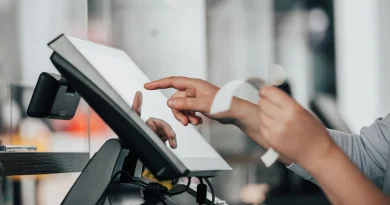
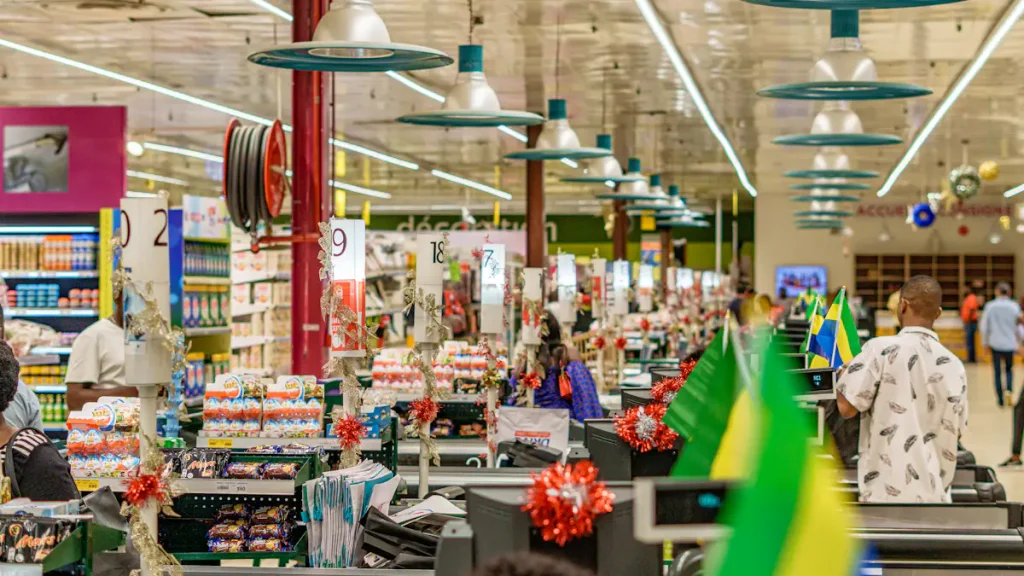
The cashier tried the chip, the swipe, and finally the contactless reader while the line behind me grew long enough to become a presence.
“Sometimes the bank blocks it,” she said kindly.
I knew that was not the problem.
The problem was that my checking account had $61.14 in it and the total on the screen was $74.83.
I had miscalculated.
Again.
For six weeks, since my contract job ended, I had become a person who knew the price of every ordinary thing. I knew which brand of oats was cheaper per ounce. I knew how many dinners I could get from one rotisserie chicken. I knew that the grocery store’s red onions were forty cents less per pound than the market near my apartment.
What I apparently did not know was how to add correctly when I was tired.
“Take off the coffee,” I said.
The cashier voided it.
The total dropped to $65.34.
Still too high.
“And the apples.”
Someone behind me shifted a basket from one hand to the other.
I kept my eyes on the card reader.
“The detergent too.”
“You need detergent,” a woman behind me said.
I turned.
She was maybe in her late fifties, wearing a navy raincoat even though it had stopped raining hours earlier. Her cart held milk, tomatoes, a loaf of bread, and three enormous bunches of cilantro.
“It’s okay,” I said.
The cashier scanned the reversal.
The woman stepped forward.
“Put it all back on.”
I laughed because I thought she was joking.
She was not.
“No, really,” I said. “I’m fine.”
She looked at the cashier, then back at me.
“Would you let me cover it?”
I shook my head automatically.
“Please don’t.”
“You can say no,” she said. “I’m offering. I’m not deciding for you.”
There are moments when pride arrives before thought.
Mine arrived fully dressed.
I looked at the groceries I had already started removing, then at the line behind me.
“Okay,” I said finally. “But at least let me pay you back Friday.”
“No promises about that part.”
The cashier restored the items. The woman waited until I nodded, then tapped her card on the reader.
The machine beeped.
APPROVED.
I stared at the screen.
“Why did you do that?”
She picked up her grocery list.
“Because the line is getting long.”
I almost laughed.
Then I almost cried, which was worse.
“Wait. Give me your number. I’ll pay you back Friday.”
“No.”
“At least let me—”
But she was already moving her cart toward the next register.
The cashier handed me the receipt.
By the time I had shoved everything into two paper bags and looked for the woman again, she was gone.

I returned to the store the next day.
I told myself I needed toothpaste.
I did not need toothpaste.
I needed the cashier.
She recognized me immediately.
“Card working?”
“Unfortunately.”
She smiled.
“Do you know the woman who paid yesterday?”
Her smile disappeared into caution.
“Why?”
“I want to reimburse her.”
“She told me you’d come back.”
That irritated me.
“She said that?”
“She said if you asked, I wasn’t supposed to give you anything.”
“You have her information?”
“I didn’t say that.”
“Her name?”
The cashier shook her head.
“Sorry.”
I went home angry at a woman who had bought me groceries.
That was the absurdity of it.
I should have felt grateful.
I did feel grateful.
But underneath the gratitude was something harder.
Debt.
My parents had raised me to repay everything.
Borrowed twenty dollars? Return twenty-five.
Someone drove you to the airport? Bring dinner the next week.
A neighbor watched your dog? Watch theirs twice.
Generosity in my family was warm, but it kept excellent records.
Even thank-you notes had deadlines.
A gift with no return address felt almost threatening.
For the next week, every time I opened the refrigerator, I saw the stranger.
Her money was in the eggs.
Her money was in the chicken.
Her money was in the detergent I had tried to remove from the total.
I began carrying seventy-five dollars in cash in my wallet.
Just in case.
I went to the grocery store at the same time the following Tuesday.
No navy raincoat.
I went again Friday.
Nothing.
I started to understand why detectives on television looked exhausted.
Two weeks after the declined card, I saw her outside a laundromat three blocks from the store.
She was carrying one grocery bag and fighting with an umbrella that refused to close.
I recognized the raincoat first.
“Excuse me!”
She looked up.
For a second, she did not know me.
Then she did.
“Oh no,” she said.
“Oh no?”
“You found me.”
I pulled the folded cash from my wallet.
“Seventy-five dollars.”
She looked at it, then at me.
“Put that away.”
“You paid $74.83.”
“You remembered the cents?”
“Of course I remembered the cents.”
She started laughing.
I did not.
“Please take it.”
“No.”
“Why not?”
“Because I didn’t lend it to you.”
“Then what was it?”
She finally got the umbrella closed.
“Groceries.”
“That’s not an answer.”
“It’s the only one.”
I must have looked frustrated because she softened.
“Do you have five minutes?” she asked.
We sat at a small table inside the laundromat while dryers turned behind us.
Her name was Marisol.
She worked at a dental office and lived two blocks away. She had two grown sons. She disliked cilantro but bought it every week for her husband.
None of that explained my groceries.
“I saw you putting things back,” she said.
I looked away.
“I wasn’t asking for help.”
“I know.”
“Then why me?”
Marisol folded her hands on the table.
“Because fifteen years ago, a woman paid for my motel room for one night.”
I waited.
She did not tell the story dramatically.
She had been leaving a marriage that had become unsafe. She had her younger son with her, two bags of clothes, and not enough available credit for the deposit at a roadside motel.
A woman in the lobby overheard.
She paid.
Marisol asked for her address.
The woman refused.
Marisol asked for her phone number.
She refused that too.
“So you pay for strangers now?” I asked.
“Sometimes.”
“To pay her back.”
“No.”
That answer surprised me.
Marisol leaned back.
“For years I thought that was what I had to do. Keep passing it forward until the numbers somehow matched.”
“Isn’t that the point?”
“That’s what people like to say.”
She looked toward the window.
“But the woman who helped me didn’t give me an assignment.”
“She didn’t give me an assignment. She gave me one safe night.”
She told me it took years to understand that.
At first, every time she helped someone, she mentally attached it to the motel.
Forty dollars here.
Twenty there.
A meal.
A bus ticket.
As if eventually she could reach the exact amount and close the account.
“Then one day I realized I had turned that woman’s kindness into another obligation,” she said. “She was the first person in a long time who had helped me without demanding something. I was the one adding the demand back in.”
I looked at the folded cash in my hand.
“So what am I supposed to do with this?”
“Buy groceries next week.”
“That feels too easy.”
“Maybe easy is allowed.”
I hated how much that sentence affected me.
For six weeks, losing my job had made every ordinary purchase feel like a verdict on whether I had planned well enough, saved enough, worked hard enough.
I had turned being short thirteen dollars into evidence about my character.
Marisol had seen a math problem.
She solved it.
That was all.
“What if I want to help someone else?” I asked.
“Then help them.”
“Because you helped me?”
“No. Because you want to.”
She stood.
“Those are different things.”
I kept the seventy-five dollars.
That was harder than giving it away.
Three weeks later, I started a new job.
My first paycheck arrived on a Friday.
I went to the grocery store and bought coffee without checking the price per ounce.
At the register, an older man in front of me discovered he had left his wallet in the car.
His total was twenty-three dollars.
For one second, I felt the old reflex.
This is it, I thought.
This is how I repay Marisol.
I almost reached for my card.
Then the man laughed, told the cashier to hold his bags, and jogged toward the parking lot.
He did not need me.
I felt strangely relieved.
The following month, my upstairs neighbor had surgery.
I made extra soup and left a container outside her door.
She texted to ask what she owed me.
I typed, Nothing. Just pay it forward.
Then I deleted the second sentence.
I sent only:
Nothing.
That felt better.
Not every kindness needs a sequel.
Some are complete when they are given.
Some are complete when they are accepted.
And sometimes the hardest part of receiving help is allowing another person’s generosity to end with you, without turning gratitude into another form of debt.
Read more kindness and humanity stories or browse short stories for adults.
This is an original fictional story from Dastan.
Featured photo: JEaLiFe Pictures / Unsplash. Inline photos: Vitaly Gariev and atelierbyvineeth / Unsplash.