I Found My College Roommate’s Name on My Mother’s Emergency Contact List
I found Nora’s name because my mother refused to let the nurse finish setting up her phone.
“Don’t touch that,” she said.
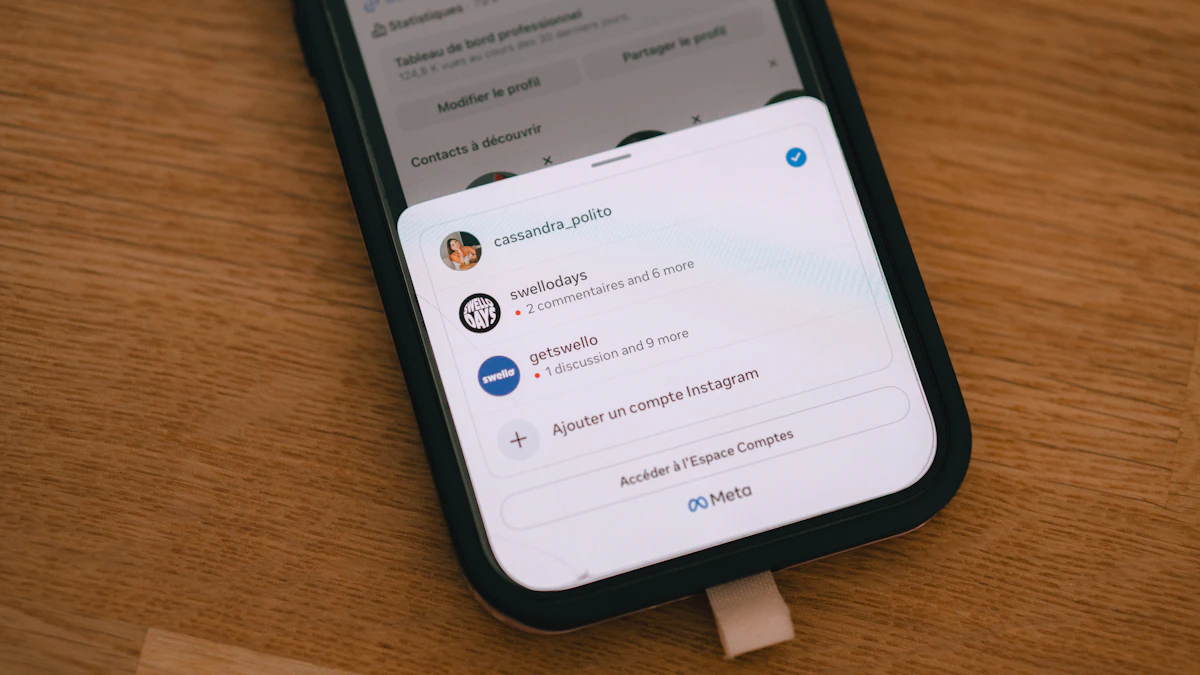
The nurse paused over the emergency contact screen.
My mother had been discharged that morning after slipping on wet tile in her kitchen. Nothing was broken, but the fall had earned her a night of observation, a wrist brace, and strict instructions not to pretend she was twenty years younger than she was.
I was sitting beside her hospital bed, pretending not to notice how pale she looked.
The nurse turned the phone toward me.
“Can you confirm these contacts?”
The first name was mine.
The second was Nora Bell.
For a moment, the room seemed to contract.
I had not spoken to Nora in eleven years.
She had been my college roommate, my closest friend, and the person who knew how I took my coffee before I did.
It did not survive graduation.
By twenty-five, we were speaking every few weeks.
By twenty-seven, every few months.
Then we had one argument about something that had been building for years, and after that, nothing.
Now her name was listed as my mother’s emergency contact.
I looked at my mother.
“Why is Nora here?”
She closed her eyes.
“Because she lives close.”
“You still talk to her?”
My mother opened one eye.
“Sometimes.”
Sometimes.
Eleven years of silence reduced to a word that suggested my old best friend had been moving quietly through the edges of my family while I knew nothing about it.
I felt ridiculous for being hurt.
Then I felt hurt anyway.
The nurse, wisely, left us alone.
“Since when?” I asked.
My mother adjusted the blanket over her knees.
“Does it matter right now?”
“Yes.”
“No, it doesn’t.”
That answer was pure my mother. She could turn any question into an accusation against the person asking it.
I stood up.
“Did you call her when you fell?”
“No.”
“Would you have?”
“Maybe.”
“Before me?”
My mother frowned.
“This is not a ranking.”
It felt exactly like one.
I had driven four hours the moment the hospital called.
Nora apparently needed only a place in the contact list.
That should not have mattered.
It did.
I told myself the problem was not jealousy. The problem was secrecy.
That sounded nobler.
It was also only partly true.
A jar of tea in the cupboard I knew my mother did not buy herself.
A small ceramic bird on the windowsill.
A handwritten note on the refrigerator: Call when you’re home.
No signature.
I recognized the handwriting.
Nora’s lowercase r still leaned backward like it was trying to escape the word.
The last thing she had ever written to me was a birthday card eleven years earlier.
We argued two weeks after that.
I had been living in Chicago then, working sixty-hour weeks and convinced that everyone else’s inability to stay in touch was evidence of how little they cared.
Nora had canceled a visit for the third time.
I told her I was tired of being the only one making an effort.
She told me friendship was not supposed to be an attendance sheet.
I said maybe she had stopped showing up because I was no longer useful to her.
She went quiet.
Then she said, “You have no idea what my life looks like anymore.”
I said, “Whose fault is that?”
That was the last real conversation we had.
At the time, I thought I had demanded honesty.
Years later, I could admit I had demanded proof.
Now I was standing in my mother’s kitchen holding a jar of tea Nora had probably bought.
Not because Nora had stayed in my mother’s life.
Because she had apparently managed to stay in someone’s.
The next morning, my mother was asleep when I opened the contact card again.
I knew it was invasive.
I also knew I was going to do it.
Nora’s number was there.
The same area code. Different number.
I stared at it for almost a minute.
Then I copied it into my phone.
I did not call.
Instead, I searched her name.
She still lived in the same city as my mother. She worked at a community arts center now. There was a staff photo. Her hair was shorter. She looked older in the completely ordinary way that made me suddenly aware that I must look older too.
I closed the page.
That afternoon, my mother caught me looking at the ceramic bird.
“Nora made that,” she said.
“I know.”
“No, you don’t. You guessed.”
“Why are you defending her?”
My mother looked genuinely confused.
“I’m not.”
“You’ve been talking to her for years and never told me.”
“She didn’t ask me to hide it.”
“Then why didn’t you tell me?”
My mother sighed.
“Because every time her name came up, you became a lawyer.”
I stared at her.
“A lawyer?”
“You started presenting evidence.”
I wanted to object.
That probably proved her point.
My mother told me the first call from Nora had come nine years earlier.
Not to talk about me.
To ask for advice.
Nora’s mother had died suddenly that winter.
I knew that.
Or rather, I knew it had happened.
I had seen the post online.
I had typed a message to Nora and deleted it because after two years of silence, condolences felt intrusive.
I told myself respecting distance was the mature thing to do.
My mother had not made that calculation.
Nora called because, during college, my mother had been the adult she contacted when her own mother was hospitalized. My mother had driven three hours to our campus, brought food, sat with Nora in the waiting room, and stayed until her family arrived.
I remembered that weekend.
I remembered my mother coming.
I had forgotten why Nora never forgot.
After Nora’s mother died, she called my mother once.
Then again months later.
The calls became occasional.
Eventually, they became practical.
My mother asked Nora for the name of a plumber.
Nora brought soup after a dental procedure.
My mother watered Nora’s plants during a trip.
Nothing dramatic.
Just years of small things.
The emergency contact came later.
Four years earlier, when I moved to Chicago again for a promotion, my mother had needed minor surgery.
She did not tell me until after it was over.
Nora drove her home.
I felt the anger come back.
“You let her take you home from surgery and didn’t tell me?”
“You had just started a new job.”
“I would have come.”
“I know.”
“That’s what daughters do.”
My mother looked at me carefully.
“That is exactly why I didn’t tell you.”
I hated the sentence before I understood it.
She said I had spent most of my adult life proving I would drop everything if she needed me.
She believed me.
That was not the problem.
The problem was that she did not want needing her to become the thing that organized my life.
Nora lived twelve minutes away.
She could help without turning it into a sacrifice.
“So you chose her because she mattered less?” I asked.
My mother almost smiled.
“No. I chose her because helping me cost her less.”
“I chose her because helping me cost her less.”
That stopped me.
For years, I had confused love with distance traveled.
Four hours in the car felt like devotion.
Twelve minutes somehow felt like replacement.
My mother had not been measuring either of us that way.
The next day, I called Nora.
She answered on the fourth ring.
“Hello?”
I almost hung up.
“Nora?”
Silence.
Then, “Claire?”
Hearing my name in her voice collapsed eleven years faster than I expected.
I did not know how to begin, so I began badly.
“I found you in my mother’s emergency contacts.”
Nora laughed once.
“That sounds ominous.”
“It felt ominous.”
“I can imagine.”
I waited for defensiveness.
It did not come.
Instead, she asked, “Is your mom okay?”
That annoyed me for half a second.
Then I realized it was a normal question.
I told her about the fall.
“She didn’t call me,” Nora said.
“She didn’t call me either. The hospital did.”
“That sounds like her.”
There it was: a shared familiarity I was not part of.
It hurt.
But it also made me understand that their relationship had become real without being a statement about me.
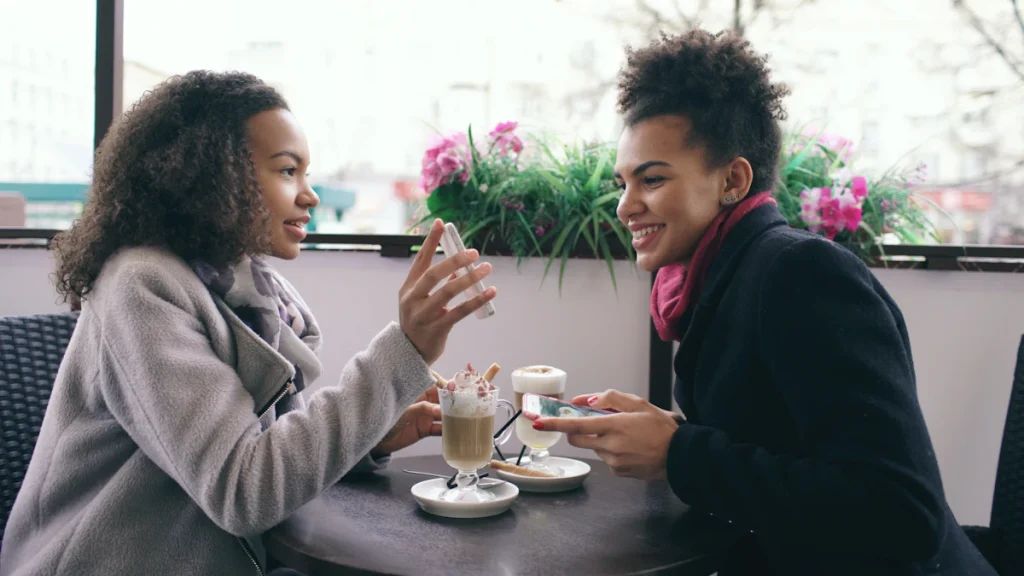
Nora and I met for coffee two days later.
She arrived early.
So did I.
We laughed at that because in college, neither of us had ever been early for anything.
For the first ten minutes, we talked about my mother.
Then the conversation ran out of safe material.
“I thought you hated me,” Nora said.
“I thought you stopped caring.”
“I was barely functioning.”
I looked at her.
She told me that during the final year of our friendship, her mother had been sick again. Not publicly. Not dramatically. Just enough to consume most of Nora’s attention.
She had not told me because every conversation with me had become a report on whether she was trying hard enough to stay connected.
“That’s hard to hear,” I said.
“It was hard to say.”
I apologized for the last argument.
She apologized for disappearing instead of explaining.
Neither apology recovered eleven years.
That was not the point.
We were not twenty-two anymore.
We did not need to restore the friendship to prove it had once mattered.
Before we left, Nora reached into her bag.
“I was going to bring this to your mom.”
It was a small container of lentil soup.
I laughed.
“What?”
“Nothing. I just found your tea in her cupboard.”
“My tea?”
“The ginger one.”
“That’s not mine. She buys that for me.”
I stared at her.
Then we both started laughing.
For three days, I had been turning every object in my mother’s house into evidence of a secret alliance.
The tea was my mother’s.
The ceramic bird was Nora’s.
The note was Nora’s.
The care belonged to no single person.
That was the part I had missed.
On Sunday, before I drove home, I opened my mother’s emergency contact list.
My name was still first.
Nora’s was second.
I did not change anything.
I only added one more detail under Nora’s name.
Relationship: Friend.
I considered writing Family Friend.
Then I stopped.
Friend was enough.
Read more friendship stories or browse short stories for adults.
This is an original fictional story from Dastan.
Featured photo: Vitaly Gariev / Unsplash. Inline photos: Swello and Zulfugar Karimov / Unsplash.