Someone Left a Photograph of My Building on My Doorstep Three Fridays in a Row
The first photograph was waiting on my doorstep when I came home from work.
No envelope.
No note.
Just a glossy four-by-six print placed carefully against the bottom of my door.
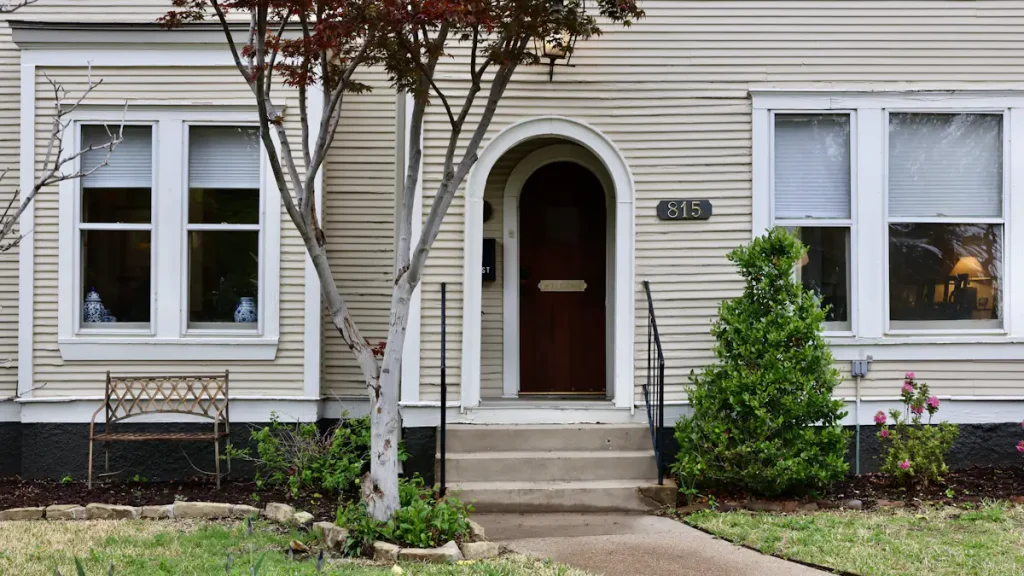
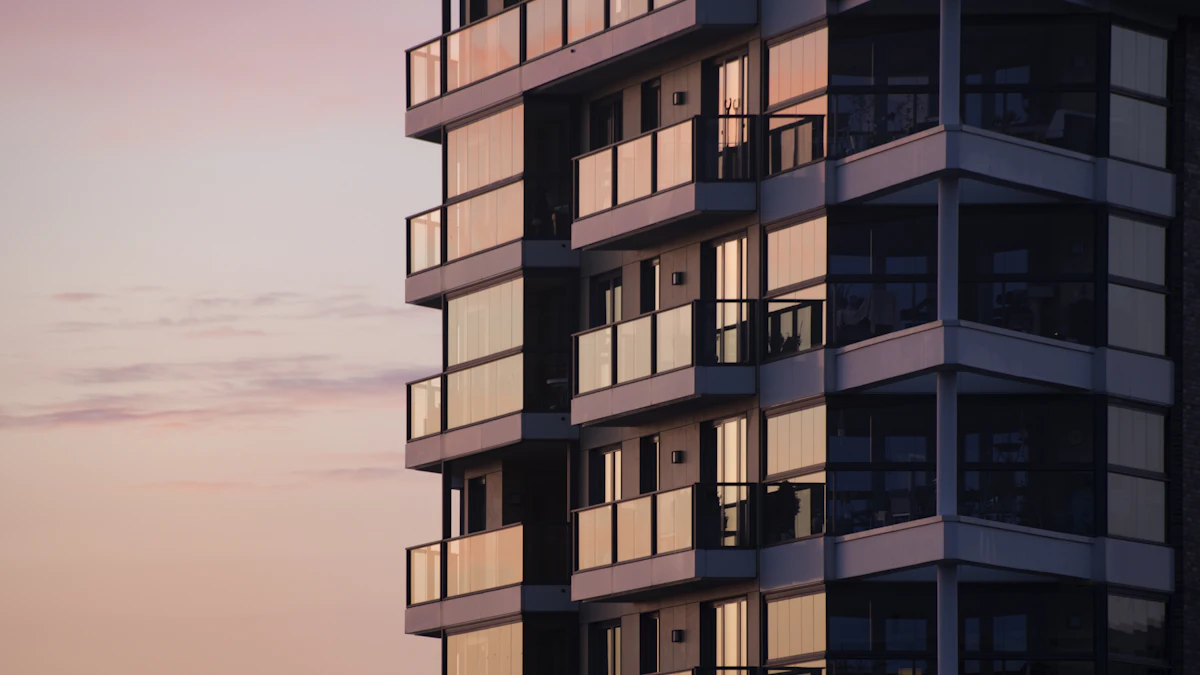
It showed the entrance to my apartment building.
Not an old photograph.
My building looked exactly as it did now: the cracked planter beside the steps, the new black intercom panel, the faded number 18 above the glass door.
The strange part was the time.
In the upper corner of the picture, the pharmacy clock across the street read 6:42.
I had arrived home at 7:10.
Someone had photographed my building less than half an hour before I found the print.
I looked down the hallway.
Empty.
I checked the stairwell.
No one.
I turned the photograph over.
Blank.
For ten minutes, I stood inside my apartment wondering whether to call someone.
Call who?
The police?
“Someone took a picture of a building I live in” did not sound like an emergency.
I put the photograph in a kitchen drawer.
By Saturday, I had almost convinced myself it was a mistake.
A photography student.
A real-estate listing.
Someone documenting the neighborhood.
Then the next Friday, there was another photograph.
Same angle.
Same building.
Same pharmacy clock.
6:42.
But this time, one light was on in the building.
Mine.
I called my landlord.
“Was anyone in my apartment today?”
He said no.
I asked if maintenance had entered.
No.
I checked the door frame for damage.
Nothing.
I walked through every room.
Nothing was missing.
The kitchen light was off.
The bedroom light was off.
Then I remembered.
I had left the lamp by the living-room window on that morning.
It was not proof someone had been inside.
It was proof whoever took the photograph knew which window was mine.
I showed the photographs to my neighbor, Mr. Chen, who had lived on the third floor for twenty-two years.
He studied them longer than I expected.
“You see this?” he asked.
He pointed to the far left edge.
A woman was standing near the bus stop.
She was barely visible, just a gray coat and a shopping bag.
“She’s in both.”
I looked again.
He was right.
Same coat.
Same bag.
Different position.
“Do you know her?”
Mr. Chen shook his head.
“Maybe.”
That was not helpful.
I reported the photographs to the building manager and asked whether the lobby cameras covered my hallway.
They did.
Unfortunately, the camera outside my apartment had been offline for months.
The lobby camera showed dozens of people entering and leaving on Friday evenings.
No one carrying obvious photographs.
No one pausing suspiciously at the desk.
I began changing my routine.
I stopped leaving lamps on.
I took a different route home.
I asked a friend to stay over the following Friday.
At 6:35, we sat in my living room with the curtains partly open.
At 6:42, nothing happened.
At 6:50, nothing.
At 7:05, we went downstairs.
No photograph.
I felt relieved.
Then we came back up.
The third photograph was leaning against my door.
My friend stopped walking.
“Okay,” she said. “That’s not funny.”
The image was again the building entrance.
The pharmacy clock showed 6:42.
But something was different.
The woman in the gray coat was gone.
Instead, a white circle had been drawn in pen around one of the ground-floor windows.
Under the circle, someone had written:
Please look closer.
“Please look closer.”
My fear changed shape.
Whoever was doing this wanted me to notice something.
I placed the three photographs side by side on my kitchen table.
The framing was nearly identical, but not perfect.
I compared the windows.
The cars.
The pedestrians.
The tree branches.
Nothing.
Then my friend noticed the awning above the ground-floor window.
“Was that always there?”
The window belonged to the old laundry room.
The laundry room had been closed since before I moved in.
The manager said there had been water damage years earlier and the space was now used for storage.
In the first photograph, the window looked dark.
In the second, something pale appeared behind the glass.
In the third, the pale shape was clearer.
A rectangular sign.
There were letters on it.
Too small to read.
We went downstairs.
The storage-room door was locked.
Through the window, we could see shelves, boxes, and the back of the sign.
I called the manager.
He was annoyed.
Then I sent him the photograph.
Ten minutes later, he called back.
“Stay there.”
He arrived twenty minutes after that with a key.
Inside the storage room, we moved two boxes away from the window.
The sign fell forward.
It was old wood, hand-painted.
FRIDAY 6:45
FREE SUPPER
ALL WELCOME
On the back were dozens of names written in marker.
Some had dates beside them.
1984.
1987.
1991.
1996.
I looked at the manager.
“What is this?”
He did not know.
Mr. Chen did.
We called him down.
He stared at the sign and smiled.
“I haven’t seen this in years.”
Before the laundry room, the ground floor had been a community kitchen.
Not officially.
The building had a caretaker named Rosa Alvarez who lived in a small apartment near the boiler room.
Every Friday, she cooked.
Sometimes soup.
Sometimes rice and beans.
Sometimes whatever tenants brought.
People who were short on money came.
People who were lonely came.
People who did not need food but wanted company came.
The sign went in the window at 6:42 or 6:43, Mr. Chen said, because supper started at 6:45.
“Why 6:42?” I asked.
He laughed.
“Rosa was never early.”
The woman in the gray coat finally made sense too.
Her name was Elena.
Rosa’s daughter.
She had returned to the neighborhood recently because Rosa had died the previous winter.
“She came by last month asking if the sign still existed,” Mr. Chen said.
The manager looked embarrassed.
He had told her the old kitchen had been cleared out years ago.
Apparently, he was wrong.
I asked the obvious question.
“Why leave the photographs at my door?”
Mr. Chen looked at me.
“Your apartment used to be Rosa’s.”
I laughed because it sounded too convenient.
He did not.
My apartment was directly above the old kitchen.
Before a renovation, it had been smaller and connected by a service stair.
Elena had grown up there.
She must have known exactly which door was now closest to the old apartment.
That evening, Mr. Chen called her.
Elena came the next morning.
She apologized immediately.
“I should have left a note with the first one.”
“Yes,” I said.
“I didn’t know what to write.”
“Anything would have been better than making me think I had a stalker.”
She covered her face.
“I’m sorry.”
I believed her.
She explained that she had taken the first photograph on the anniversary of Rosa’s death.
She wanted to recreate an old family picture taken from the same spot.
In that older photograph, the supper sign was visible in the ground-floor window.
When it did not appear in her new picture, she came back the next Friday.
She had knocked on my door the first week, but I was still at work, so she left the print instead.
On the second Friday, she noticed the pale edge behind the storage boxes and left another photograph, assuming the connection would be clearer than it was.
By the third Friday, she realized the photographs alone were not explaining anything and finally wrote, Please look closer.
She had also tried contacting management and got nowhere.
Leaving the photographs for the current resident of her old apartment felt, in her words, “less impossible than arguing with another office.”
It was not a good plan.
It was at least a plan I could now understand.
We spent that Saturday going through the storage room.
There were no dramatic treasures.
Old folding chairs.
A dented soup pot.
A box of handwritten recipes.
A stack of disposable plates so old the plastic had yellowed.
And a small notebook with names and tally marks.
Mr. Chen said the marks recorded who brought something.
Not who ate.
Rosa did not keep track of that.
That detail stayed with me.
The building manager eventually agreed to hang the old sign in the lobby with a short note about the Friday suppers.
Elena provided a copy of the original photograph.
We placed one of the new photographs beside it.
Same entrance.
Same window.
Same pharmacy clock.
6:42.
Different city, in many ways.
Different tenants.
But not a completely different building.
On the first Friday after the display went up, someone left a container of soup on the lobby table with a paper sign:
Too much. Please take some.
The next week, there was bread.
Then oranges.
No one organized it.
No one called it Rosa’s supper.
It was smaller than that.
Which made it feel real.
I kept the third photograph.
Not the first two.
The third one still has the circle around the window and the words:
Please look closer.
At first, I thought the message meant someone wanted me to notice them.
Now I think it meant exactly what it said.
Browse more mystery and suspense stories or read short stories with a twist.
This is an original fictional story from Dastan.
Featured photo: Scott Greer / Unsplash. Inline photos: Tobias Wilden and Ivan Nemchinov / Unsplash.