
A Rent Increase Was Tucked Inside Her Birthday Card
The birthday card had a watercolor bicycle on the front and a rent increase folded inside.
Tara read the card first.
Happy forty-second. Dinner Saturday? Love, Elise.
Then she unfolded the second sheet.
Beginning November 1, monthly rent for the upstairs unit would increase by three hundred dollars.
For several seconds Tara thought the paper had been inserted into the wrong envelope.
Then she saw Elise’s initials at the bottom.
Elise was not only Tara’s landlord.
She was the friend who had driven her home after a minor surgery, the person who knew why Tara avoided her sister every December, and the owner of the duplex where Tara had lived for six years.
When Tara first moved in, the arrangement had felt temporary. Elise had just bought the building after her aunt died. Tara was leaving a bad relationship and needed somewhere affordable quickly.
“Pay me twelve hundred,” Elise had said. “We’ll figure out the rest later.”
They never really figured out the rest.
The rent rose once, by fifty dollars, three years later. Elise often handled repairs without discussing cost. Tara watered the backyard garden when Elise traveled, received packages, fed her cat, and once spent an entire weekend painting the downstairs hallway because the contractor canceled.
Neither woman kept accounts.
When the upstairs radiator failed one January, Elise brought a portable heater and slept badly until the repair was finished. When Elise’s aunt’s old furniture needed hauling away, Tara borrowed a van and gave up a Saturday without asking for gas money. They had laughed about being a two-person maintenance department. It never occurred to Tara to calculate the hours, and she doubted Elise had totaled the rent she might have charged someone else. Their silence had once made the arrangement feel generous. Now it meant neither knew where generosity ended and expectation began.
That had always felt like proof of friendship.
Until the birthday card.
Tara walked downstairs holding both papers.
Elise was on the back porch repotting rosemary.
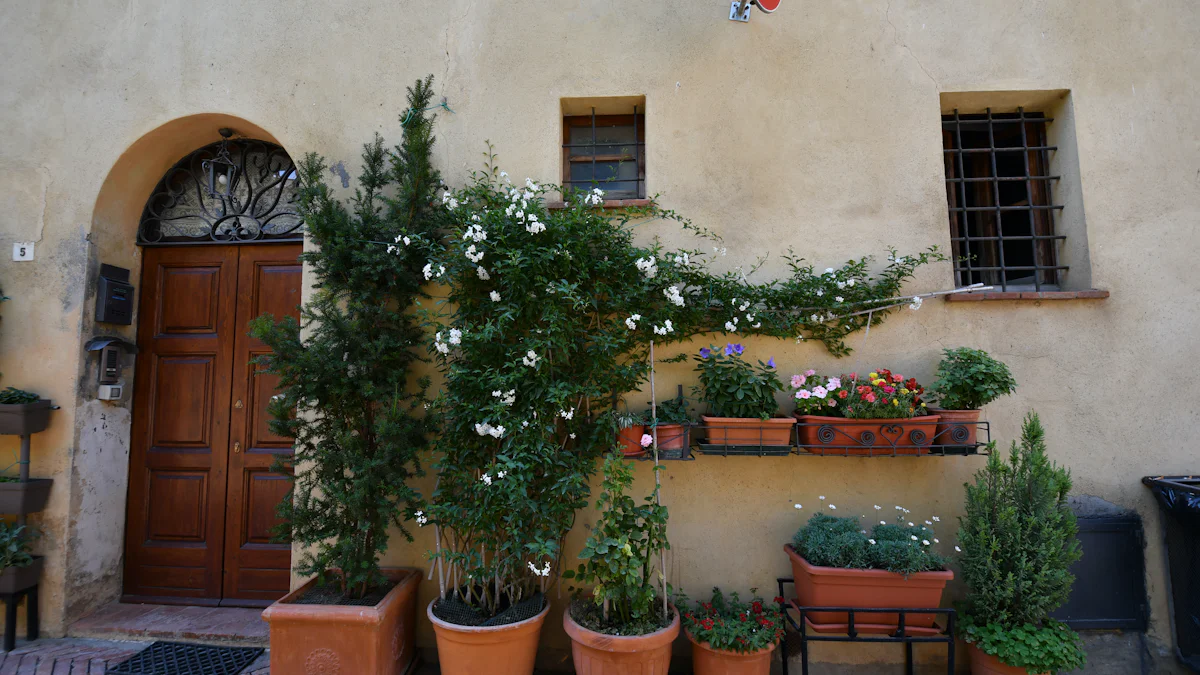
“Was there no other envelope in the house?” Tara asked.
Elise looked up.
“You got the notice.”
“Inside my birthday card.”
“I was going to talk to you too.”
“After I finished reading the warm part?”
Elise put down the pot.
“That was stupid.”
“Yes.”
“I didn’t mean it the way it landed.”
“How did you mean a three-hundred-dollar rent increase to land?”
The conversation became ugly quickly because it had six years of undefined favors available as ammunition.
Elise said property taxes had risen, insurance had nearly doubled, and the roof repair that spring cost more than she had expected.
Tara said she had spent years being the convenient tenant who never complained, handled small problems herself, and treated the duplex like shared family property.
“I replaced the garbage disposal,” Tara said.
“I paid for the garbage disposal.”
“I installed it.”
“Because you said you wanted to.”
“I painted the hall.”
“You offered.”
Each sentence exposed the same problem.
Their generosity had been voluntary when given and contractual when remembered.
Elise went inside and returned with a folder.
“I should have shown you this before sending anything.”
Inside were insurance notices, tax bills, repair invoices, and a handwritten comparison of rents for similar units nearby.
Tara hated that the numbers were reasonable.
Her current rent was significantly below comparable apartments.
“So you’ve been doing me a favor this whole time?” she asked.
“That’s not what I’m saying.”
“It looks like what you’re saying.”
Elise closed the folder.
“I’ve kept the rent low because you’re a good tenant and my friend. I’ve also covered more repairs than the rent supports. I should have raised it gradually. Instead I kept avoiding the conversation because I knew it would feel personal.”
“Then you put it in a birthday card.”
“Yes. Which is apparently what avoidance looks like when it becomes performance art.”
Tara nearly laughed.
She refused to.
For the next week, they barely spoke.
Tara began apartment hunting.
The first apartment she toured was above a pharmacy, with a narrow kitchen and a view of a parking lot. The agent recited the deposit, the parking charge, the lease renewal rules. Tara asked questions she had not asked in six years because Elise had always been downstairs to answer them. On the way home, she stopped outside the duplex and looked at the two porch lights: one Elise had replaced, the other Tara had replaced herself. She had treated that symmetry as evidence they were equals. It was not. One of them owned the building, carried the loan, and could decide whether the rent changed. The other could decide whether to stay. Both decisions had been postponed because neither wanted to sound unkind.
At work the next day, Tara caught herself explaining the situation to a colleague as though she were being evicted. The colleague asked, gently, whether Elise had asked her to leave. Tara said no. That correction embarrassed her more than she expected. Her hurt was real, but she was turning it into a simpler story with a villain because the actual one required her to make choices.
She told herself she was doing it because the increase was unaffordable. In reality, she could pay it if she cut travel and increased freelance work slightly.
What she could not tolerate was suddenly seeing every past favor through a financial lens.
Had Elise expected gratitude for below-market rent? Had Tara expected repair labor to buy permanent affordability?
Both answers were probably yes, sometimes, without either of them admitting it.
At a coffee shop the following Sunday, Tara placed a notebook between them.
She had filled two pages with repairs, errands, and favors, then crossed most of the entries out. She could not bear the thought of reading them aloud like charges on an invoice. Elise arrived carrying a folder but set it under her chair. For a minute they spoke about the café’s terrible music and neither touched the real subject. Tara noticed that Elise had not ordered her usual pastry. Elise noticed Tara had taken the chair facing the door. They knew each other’s habits well enough to read discomfort, but not well enough, apparently, to discuss money before it became an injury.
“I think we need to separate two decisions.”
“Rent and friendship?” Elise asked.
“Exactly.”
They started with rent.
Elise acknowledged that a written notice should have been separate from a birthday greeting and delivered with enough time for Tara to plan. Tara admitted she had been counting informal help as though it guaranteed a particular rent, even though they had never agreed on that. They checked the existing lease together instead of pretending memory was a contract. The discussion was slower than either wanted. It was also the first time Tara could remember saying, without joking, what she could afford and what she needed in order to feel secure.
Tara asked for a clear written schedule rather than another informal adjustment. Elise agreed to phase the increase over six months instead of all at once. They wrote down which small maintenance tasks Tara wanted to handle herself and which belonged to Elise as property owner. Future repairs would not quietly become friendship credit.
Then Tara surprised herself.
“I’m still moving.”
Elise looked hurt.
“Because of this?”
“Partly. But mostly because I don’t want us to keep needing the same relationship to be two things at once.”
Tara had been considering moving closer to work for years. Cheap rent and friendship had made staying easier than deciding.
Elise had been postponing financial decisions because she feared acting like a landlord would make her less of a friend.
“I don’t want to leave angry,” Tara said.
“I don’t want you to leave because I was too scared to have an adult conversation.”
“Then let’s not make either of those the story.”
They agreed Tara would stay through the end of the six-month period and then move.
The months that followed were awkward in useful ways.
When a bathroom faucet began leaking, Tara texted: LANDLORD QUESTION, NOT FRIEND QUESTION. Faucet dripping.
Elise replied: LANDLORD ANSWER. Plumber Tuesday.
Later that evening Elise sent another message: FRIEND QUESTION. Dinner?
Tara went downstairs.
The distinction became a joke, then a habit.
When Tara found a new apartment fifteen minutes from her office, Elise helped carry boxes but did not waive the final month’s rent. Tara paid it without resentment.
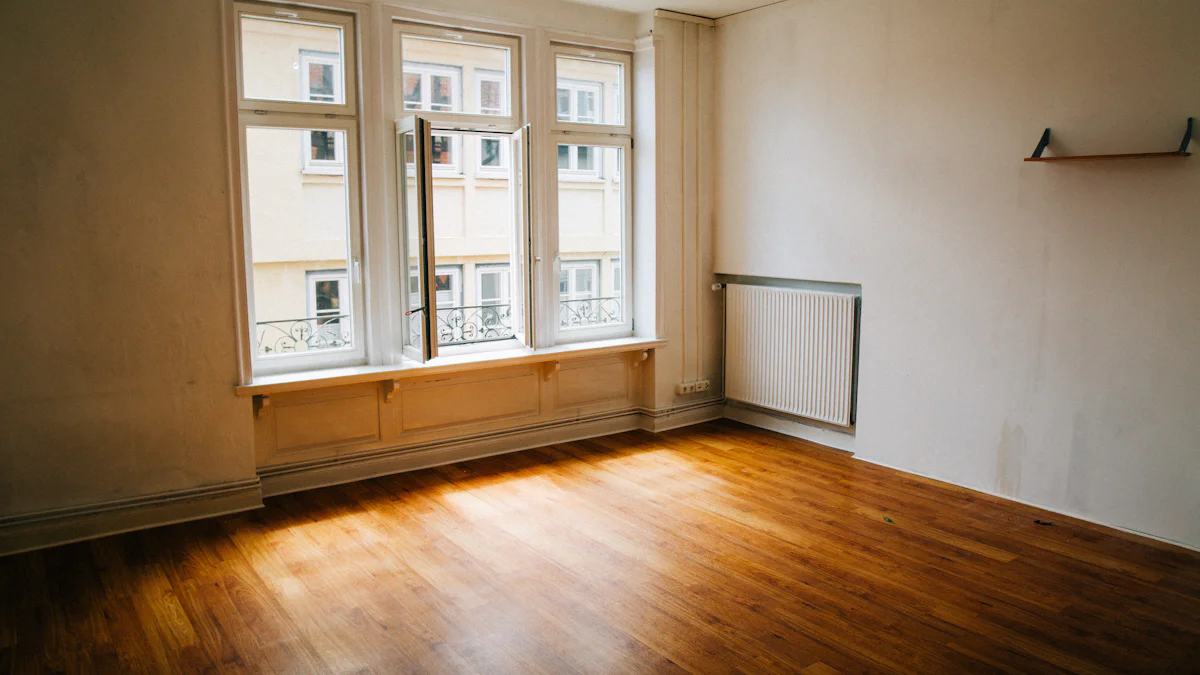
On the last morning, they walked through the empty upstairs rooms with a checklist. Tara pointed out a mark on the bedroom wall that had been there when she moved in. Elise said she remembered it too. They checked the windows, returned the spare keys, and agreed when the deposit would be settled. Then they put the checklist away. Only after that did Elise ask whether Tara wanted help taking the last lamp down the stairs. Tara said yes. The order of those two conversations felt almost comically formal, but it let the favor be a favor again.
On moving day, Elise handed her a birthday card six months early.
“Absolutely not,” Tara said.
“Open it.”
Inside was a gift card to the neighborhood hardware store.
No lease notice.
No invoice.
No hidden business.
Tara laughed.
“You know this is technically connected to moving expenses.”
“Friend gift,” Elise said. “No accounting permitted.”
Tara moved out that afternoon.
The friendship did not become magically simpler. They saw each other less because they no longer shared a staircase. They also stopped having arguments where a clogged drain could become evidence about loyalty.
The following year, on Tara’s birthday, Elise mailed a card to the new apartment.
There was one sheet of paper inside.
Tara unfolded it cautiously.
It was a restaurant reservation.
At the bottom Elise had written: This is the only notice you are receiving.
Tara kept the card.
She threw away the envelope.
Featured image: Kelly Sikkema / Unsplash. All characters and events in this original story are fictional.