My Best Friend Returned the Key to My Apartment Without Saying Why
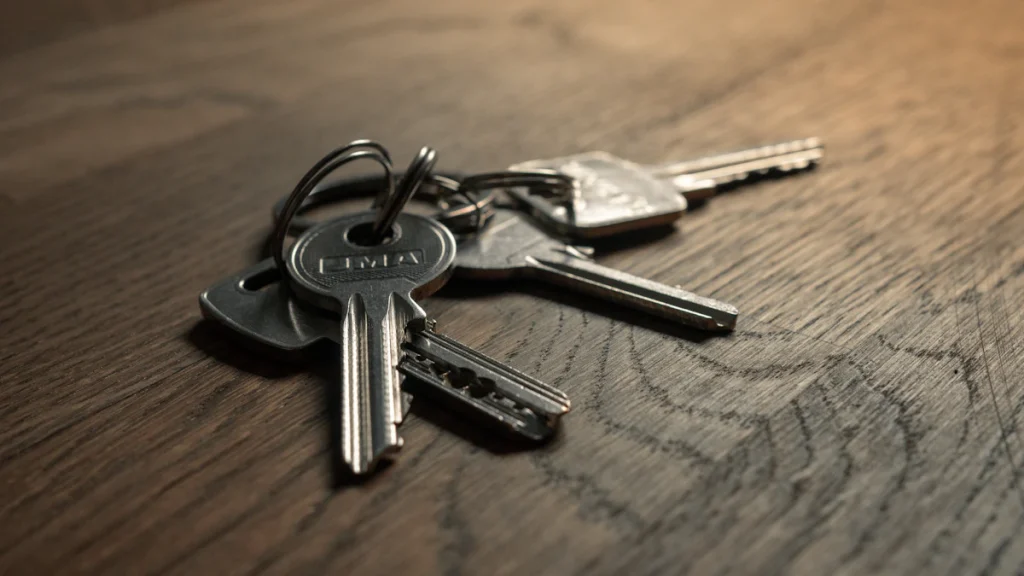
The key appeared on my kitchen counter between the sugar bowl and a stack of unopened mail.
Mara had come over after work, the way she had hundreds of times before. She drank half a cup of coffee, complained about the construction outside her office, and listened while I described a meeting that should have been an email. Nothing in her face suggested we were about to have a strange conversation.
Then she reached into her coat pocket and set down my spare key.
“You should keep this now,” she said.
I looked at the blue plastic tag I had labeled CLAIRE six years earlier.
“Why?”
Mara picked up her coffee. “I just think it’s better.”
“Better for what?”
She looked at the clock above my stove instead of at me. “I have to go. Early morning.”
That was it.
My best friend of fourteen years returned the key to my apartment and left before I could understand whether she was ending a responsibility or ending us.
For the first hour, I told myself not to be dramatic.
For the second, I became extremely dramatic.
I walked through the apartment looking for evidence that Mara had discovered something. A drawer left open. A letter on the desk. A prescription bottle she might have misunderstood. The unfinished email to my sister about selling our mother’s old house.
Nothing had moved.
The ridiculous part was that Mara had seen me in every possible condition already. She had held my hair back during food poisoning in Lisbon. She had helped me pack after a breakup and had once found me crying on the bathroom floor because my washing machine flooded the apartment below. There was very little dignity left to protect.
Still, a returned key felt more intimate than an unanswered message.
It felt official.
I texted her: Did I do something?
She replied twenty minutes later.
No.
Then why the key?
A long pause.
I don’t want it anymore.
I stared at those words until they became colder than they probably were.
The next morning, I put the key in my desk drawer and tried to work.
Instead, I started remembering every reason Mara had ever used it.
She had fed my cat during conferences. She had let in a plumber when a pipe burst while I was at work. She had brought my laptop to the airport after I left it charging on the couch. Once, after I called from a taxi convinced I had left the oven on, she walked three blocks in the rain to check.
The oven had been off.
At the time, we had laughed.
“You’re basically my building manager,” I had told her.
She had laughed too.
Now the joke bothered me.
Over the next two days, I began noticing a pattern I had never considered a pattern because it had always been convenient for me.
When a delivery company gave me a four-hour window, I called Mara because she worked closer to my apartment.
When I was out of town and a package arrived early, I asked her to move it inside.
When I forgot my gym bag, I texted, You have the key, right?
I almost always added please. I almost always thanked her.
That had allowed me to think I was asking.
Three days before she returned the key, a courier had been scheduled to deliver a replacement work laptop. I was trapped in a quarterly planning meeting across town. The driver called to say someone had to sign.
I called Mara.
“Can you go to my place for ten minutes?”
“I can’t right now,” she said.
“It’s the work laptop. They won’t leave it.”
“I’m in the middle of something.”
I remember exhaling loudly.
“Mara, you’re ten minutes away and you already have the key.”
Silence.
Then she said, “Fine. Send me the tracking number.”
An hour later, she texted a photo of the box on my dining table.
Lifesaver, I wrote, with three heart emojis.
She never answered.
At the time, I thought nothing of it.
Now the blue key sat in a drawer because apparently she had thought a great deal about it.
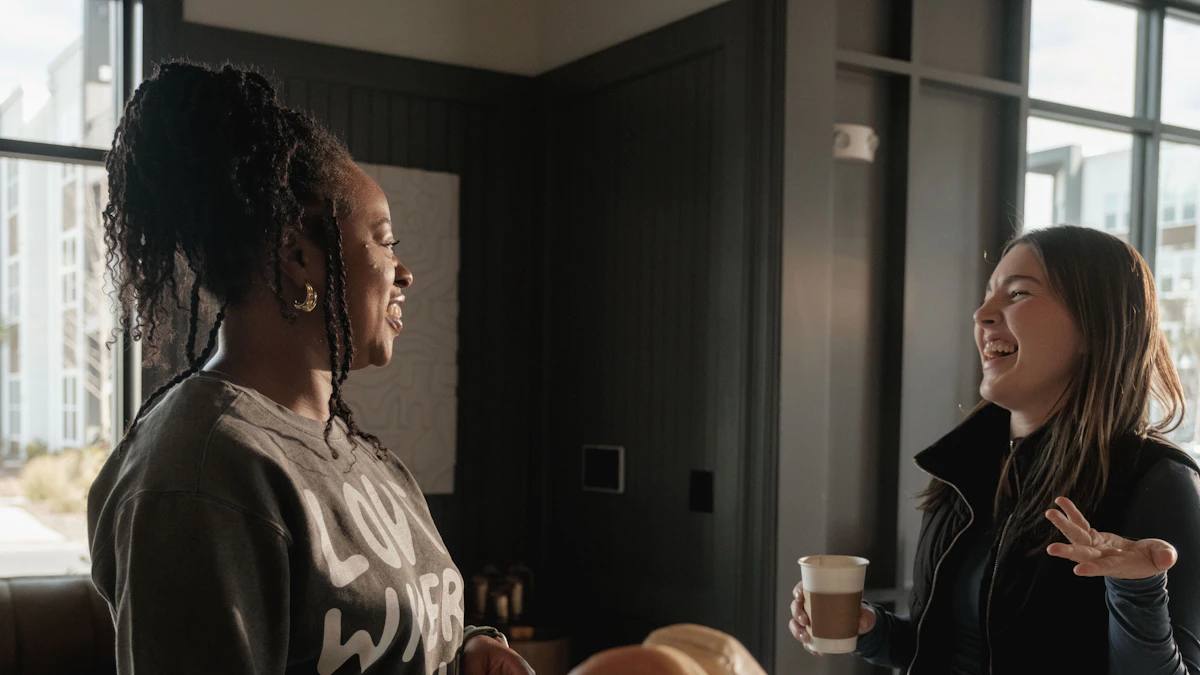
On Saturday, I drove to Mara’s apartment without warning, then sat in my car for five minutes realizing the irony.
I had spent years treating her possession of my key as automatic access to her time, and now I was about to arrive at her door because I wanted an explanation immediately.
I went home.
Instead, I texted: I want to understand. Tell me when you actually want to talk.
She answered that evening.
Tomorrow. Coffee place on Grant. Eleven?
I arrived ten minutes early.
Mara was already there.
For a moment, seeing her felt so ordinary that I wanted to skip the difficult part. I wanted to ask about her mother, complain about parking, and let familiarity drag us back to normal.
But normal had apparently contained a problem I had not noticed.
“I’m not mad that you gave the key back,” I said.
Mara raised one eyebrow.
“Okay. I was mad. Now I’m confused.”
She stirred her coffee.
“I didn’t know how to say it without making it sound bigger than it was.”
“Try.”
She looked down at her hands.
“The key started to feel like a job.”
I almost laughed because the sentence sounded absurd.
Then I remembered the courier.
Mara continued.
“When you first gave it to me, it was for emergencies. Then it became plants, packages, repair people, your cat, things you forgot, things you didn’t want left in the hallway.”
“I always asked.”
“No,” she said. “You stopped asking if I was free. You started asking if I still had the key.”
“You stopped asking if I was free. You started asking if I still had the key.”
That shut me up.
I thought about every sentence that had begun with, You’re close by, right?
Every request that had already contained its own argument for why she should say yes.
“I would have understood if you said no.”
“You didn’t understand on Tuesday.”
I felt the heat rise in my face.
“What were you doing?”
Mara gave me a tired smile.
“That’s exactly the point.”
I opened my mouth, then closed it.
She waited.
Finally she said, “I had a therapy appointment. One I waited six weeks for. I left twenty minutes early to sign for your laptop.”
My stomach dropped.
“Why didn’t you tell me?”
“Because I said I couldn’t. I shouldn’t need a reason you approve of.”
There was no cruelty in the way she said it.
That made it worse.
If she had yelled, I could have defended myself against the volume. Instead, I had to listen to the actual sentence.
Mara told me she had considered keeping the key and simply becoming better at saying no.
But the key itself had become a shortcut in our friendship. As long as she had it, I treated proximity as availability. She had started feeling irritated when my name appeared on her phone, then guilty for feeling irritated.
“I don’t want to become someone who secretly keeps a list of every favor,” she said. “I’d rather change the arrangement before I start resenting you.”
I looked out the window.
A man across the street was trying to fold a stroller while holding a paper cup between his teeth.
Life continued with insulting normality.
“I thought you were ending the friendship,” I said.
Mara looked genuinely surprised.
“No.”
“You gave back the key and practically ran out of my apartment.”
“I was nervous.”
“You could have said something.”
“I know. That part is on me.”
That small admission loosened something in my chest.
I had gone into the conversation preparing either to be abandoned or to prove that Mara was overreacting.
Instead, she was asking for a smaller change than the one I had imagined and a larger change than the one I wanted.
She wanted me to stop treating closeness as permission.
I apologized.
Not the fast kind of apology that tries to end discomfort.
I told her I had turned her reliability into infrastructure. Because she had helped so many times, I had stopped noticing that each favor still cost her time.
“I think I made your key part of my emergency plan,” I said.
Mara nodded.
“And my delivery plan.”
Another nod.
“And apparently my memory system.”
“That one was especially bad.”
I laughed.
So did she.
The laugh did not erase the conversation, but it reminded me that we were still inside the same friendship.
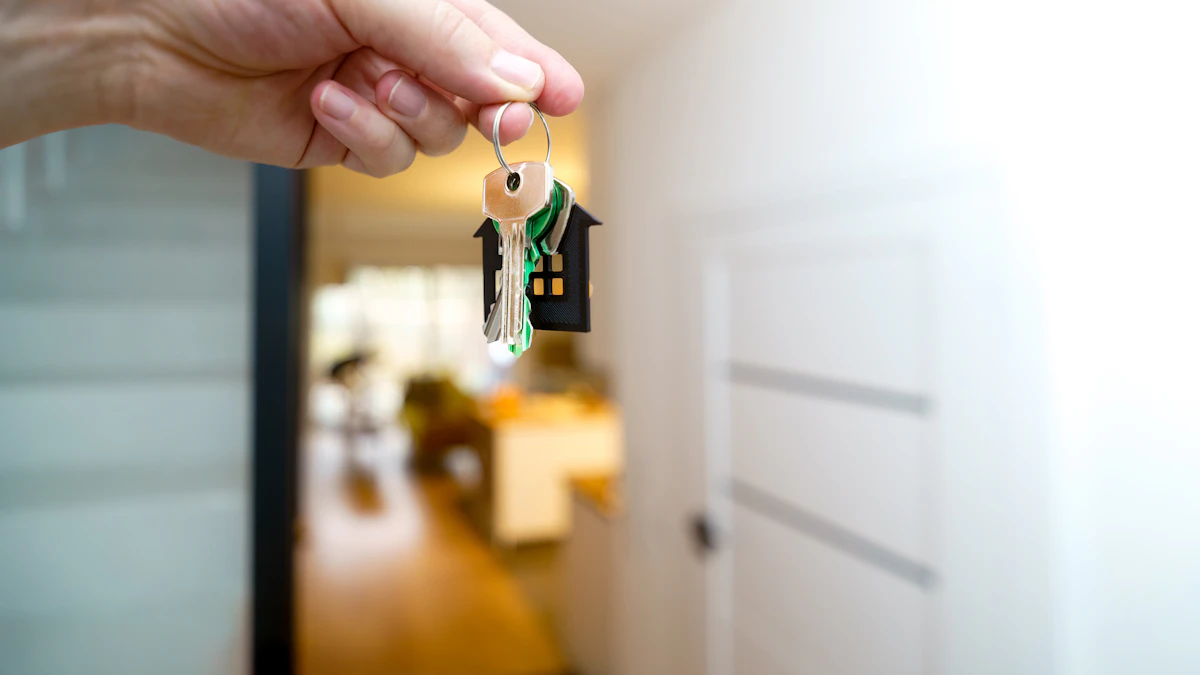
A week later, I gave my spare key to the building office in a sealed envelope for actual emergencies. I changed my delivery settings so packages went to a pickup point when I was not home. I hired a cat sitter for my next trip.
All of those solutions had existed before.
I had simply preferred the free one with my best friend’s name attached to it.
The harder change was linguistic.
I stopped saying, “You’re nearby, right?”
I started saying, “Are you free?”
I stopped following a no with the reason I thought it should become a yes.
The first few times, I could hear how unnatural it felt.
That embarrassed me more than the returned key.
Two months later, Mara called while I was grocery shopping.
“My sink is leaking,” she said. “Any chance you can sit at my place between four and six while the plumber comes?”
I checked my calendar.
“I can do five to six, not four.”
“Perfect. I’ll ask my neighbor to cover the first hour.”
No guilt. No hidden test. No score.
I went at five.
While I waited, I noticed a small ceramic bowl on her bookshelf. Inside were loose coins, two paper clips, a button, and a brass key I recognized as the spare to her apartment.
For years, I had known exactly where that key was.
Mara saw me looking at it.
“Don’t get ideas,” she said.
“I have retired from key-based friendship.”
“Good.”
Before I left, she handed me a container of soup she had made too much of.
I accepted it without asking what I owed her in return.
The strange thing is that our friendship became easier after she returned my key.
Not less close.
Less automatic.
There is a difference.
I used to think trust looked like unrestricted access: a spare key, no need to knock, the certainty that someone would show up.
Now I think trust also means believing that a closed door is not rejection.
Sometimes respect is having to ask.
Sometimes love is hearing no without requesting an explanation.
And sometimes the healthiest thing a friend can return is the object that made both of you forget there was ever supposed to be a choice.
Read more friendship stories, or browse our collection of short stories for adults.
This is an original fictional story from Dastan.
Featured photo: Filip Szalbot / Unsplash. Inline photos: Apartment Life and Jakub Żerdzicki / Unsplash.